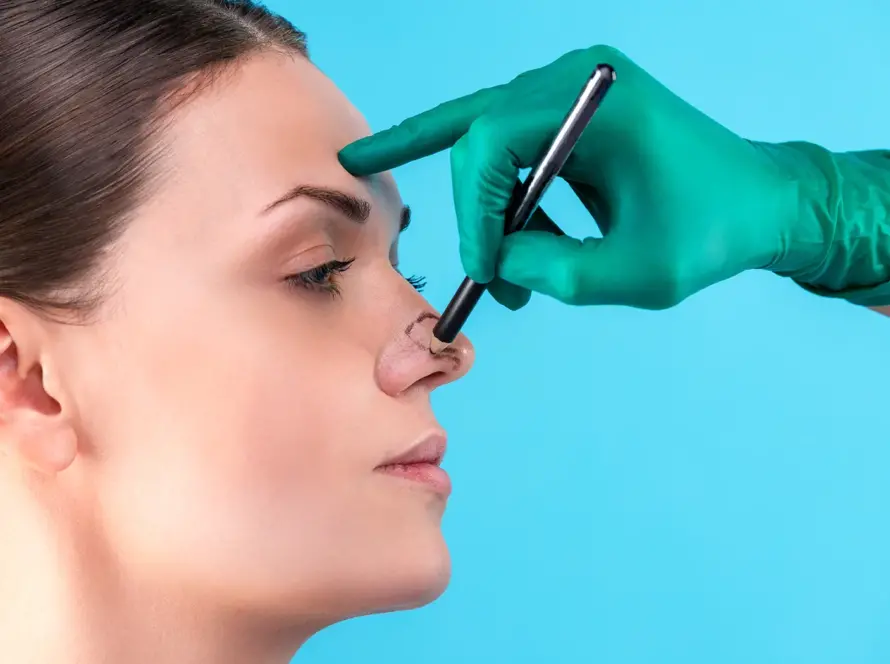
Revision nose surgery provides a solution for those unsatisfied with their initial rhinoplasty, correcting issues like asymmetry and breathing problems. Skilled surgeons like Op. Dr. Mustafa Bağlı focus on achieving a symmetrical nose and comfortable breathing, enhancing both function and aesthetics.
Achieve a Flawless Nose with Revision Rhinoplasty
For patients who are dissatisfied with the results of their initial rhinoplasty, corrective nose surgery offers a solution to correct both functional and aesthetic issues. Whether it’s for improving nasal symmetry or addressing breathing difficulties, second nose surgery can provide a more refined result. Experts like Op. Dr. Mustafa Bağlı specialize in this complex procedure, ensuring that patients achieve a symmetrical nose while also experiencing comfortable breathing. With a personalized approach, the surgery aims to correct imperfections and provide lasting satisfaction.
Revision surgery goes beyond simply addressing surface-level issues; it requires a deep understanding of nasal anatomy and previous surgical alterations. Surgeons approach each case with a meticulous plan, considering both the structural and aesthetic elements to create a balanced and natural look. By customizing techniques to suit each individual’s unique anatomy and goals, experienced surgeons ensure that the outcome not only looks harmonious with the patient’s facial features but also contributes to a higher quality of life through improved functionality. This attention to detail and personalized care help patients feel more confident and satisfied with their appearance.
Correction of Asymmetric Nasal Tip Deformities
One common reason for undergoing second nose surgery is to correct uneven nasal tip deformities that persist after the initial surgery. Patients often seek asymmetric nose correction to create a balanced and revision rhinoplasty. Surgeons like Op. Dr. Mustafa Bağlı have extensive experience in addressing these issues, ensuring that the final result not only improves the appearance but also enhances revision rhinoplasty. Through revision rhinoplasty, patients can achieve the symmetrical nose they desire.
In many cases, correcting nasal tip deformities requires a refined surgical approach that delicately reshapes the nasal cartilage to achieve a more natural contour. This can involve precise adjustments to the underlying structure, ensuring that the tip aligns well with the rest of the nose and facial proportions. The process demands both technical skill and an artistic eye, as even minor modifications can have a significant impact on the overall appearance. By focusing on harmony and proportion, surgeons aim to create a result that not only enhances facial symmetry but also feels authentic to the patient’s natural features, leading to a balanced and aesthetically pleasing outcome.
Unwanted Arch Problem on the Back of the Nose
Another reason patients consider repeat nose surgery is to eliminate unwanted arch problems, such as dorsal humps that were not fully addressed in the initial procedure. Nose surgery revision allows for a more precise correction of these concerns, resulting in a smoother and more aesthetically pleasing nose profile. Surgeons like Op. Dr. Mustafa Bağlı utilize advanced techniques to ensure the final result is both functional and natural, with an emphasis on maintaining revision rhinoplasty.
Addressing unwanted arch problems requires a meticulous approach, as the surgeon must carefully reshape the nasal bridge to achieve a smooth and natural profile. This involves not only reducing the hump but also refining the surrounding structures to create a cohesive and balanced appearance. The process often demands the use of specialized tools and techniques to ensure precision, especially when working with previously altered tissue. By focusing on proportional adjustments, the surgeon can enhance the overall harmony of the nose, making it blend seamlessly with the patient’s facial features while restoring confidence in their appearance.
Structural Disorders Causing Breathing Problems
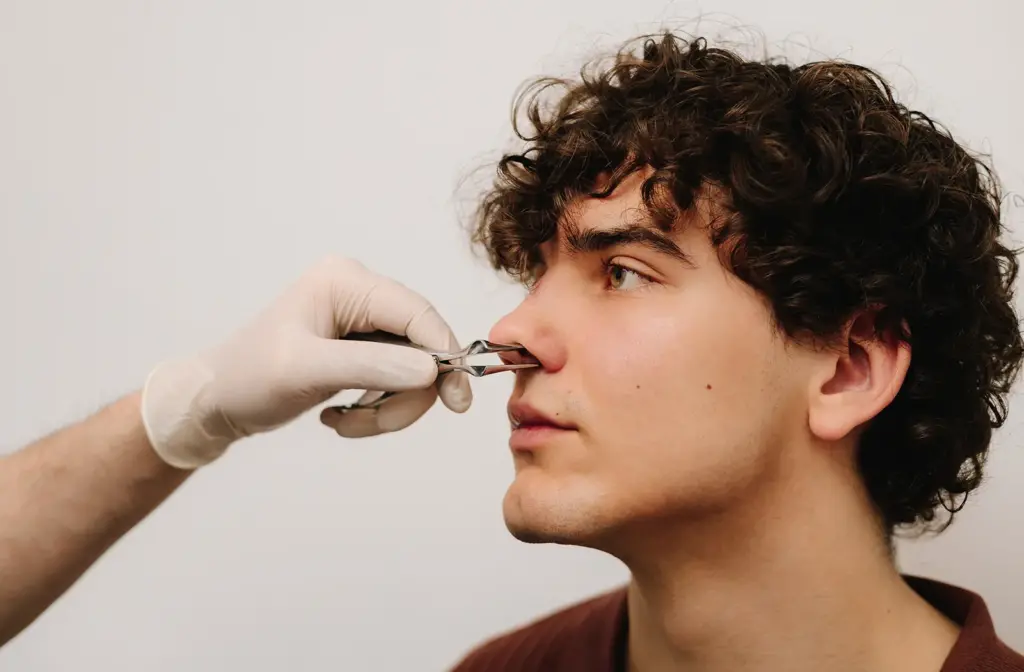
Breathing difficulties are a major concern for many patients following their first rhinoplasty. Second nose surgery can correct these structural disorders, allowing for improved airflow and comfortable breathing. Experts in revision nose surgery like Op. Dr. Mustafa Bağlı not only focus on the aesthetic aspects of the nose but also prioritize restoring proper nasal function. Achieving a symmetrical nose that supports better breathing is a key outcome of this procedure.
Correcting breathing issues often involves addressing internal nasal structures, such as the septum or nasal valves, which may have been compromised during the initial surgery. The surgeon carefully assesses these areas to identify any obstructions or deformities that restrict airflow, employing techniques that open and support the nasal passages. This approach ensures that structural integrity is restored, promoting natural and unrestricted breathing. By prioritizing both form and function, the procedure not only enhances the patient’s quality of life but also contributes to a more balanced and natural appearance that aligns with their facial anatomy.
Collapses in the Internal Valve Area and Solutions
In some cases, patients may experience internal valve collapse, causing significant breathing challenges after their first surgery. Revision nose surgery can address these collapses, reinforcing the internal structure to restore comfortable breathing and prevent future complications. With Op. Dr. Mustafa Bağlı’s expertise in second nose surgery, patients can expect a well-supported nasal structure that enhances both function and appearance, ensuring a symmetrical nose that complements the rest of the face.
Elimination of Deformities After Trauma
For patients who have suffered trauma to the nose after their initial surgery, repeat nose surgery can effectively address any resulting deformities. Whether it’s a cosmetic issue or a functional one affecting comfortable breathing, revision nose surgery can correct the damage and restore a symmetrical nose. Op.Dr. Mustafa Bağlı uses advanced techniques to ensure the results are long-lasting, giving patients renewed confidence in their appearance and the function of their nose.
It’s generally recommended to wait at least 6-12 months after the first surgery before undergoing revision rhinoplasty. This time allows the nasal tissues to fully heal.
Revision rhinoplasty usually takes 2-4 hours, depending on the extent of the corrections. The duration may vary based on the surgeon’s plan and the specific adjustments required.
In most cases, staying in the hospital for one night after revision rhinoplasty is recommended. This allows the surgeon to monitor the patient during the initial recovery phase.
The likelihood of scarring after revision rhinoplasty is low. Surgeons typically make incisions inside the nose or in inconspicuous areas, so any visible scarring is minimal.