


Achieve Precision and Harmony with Piezo Rhinoplasty
Piezo rhinoplasty, a modern technique; is a new surgery technique developed to treat nasal deformities. This aesthetic nose operation treats problems and discomforts caused by the deformities in the nasal structure.
With piezo rhinoplasty, not only a large nose can be reduced according to the facial structure but thanks to the precision of the piezo device, small bone corrections are also possible like in patients with deviated noses. Thus, the person gains more proportional facial features. It is also an effective method for the improvement of deformities inside the nose such as septum deviation.
Disorders in the nasal structure can be both functional and aesthetically disturbing. Piezo rhinoplasty is an effective treatment for nasal deviations that make breathing difficult, and other structural disorders. Since it is applied with a personalized treatment plan, it is an aesthetic procedure with high patient satisfaction.
In this article, what is piezo rhinoplasty, an innovative form of treatment? How it works, how long it lasts, its advantages, and who it is suitable for.
What is Piezo Rhinoplasty?
The piezo technique, which was first used in the field of rhinoplasty in 2004, is an alternative method to traditional rhinoplasty surgeries. It is a modern aesthetic procedure performed with the help of an ultrasonic device. It is an effective way to solve deformities such as deviation in the nose, and proportional problems such as bump or wide nasal bones.
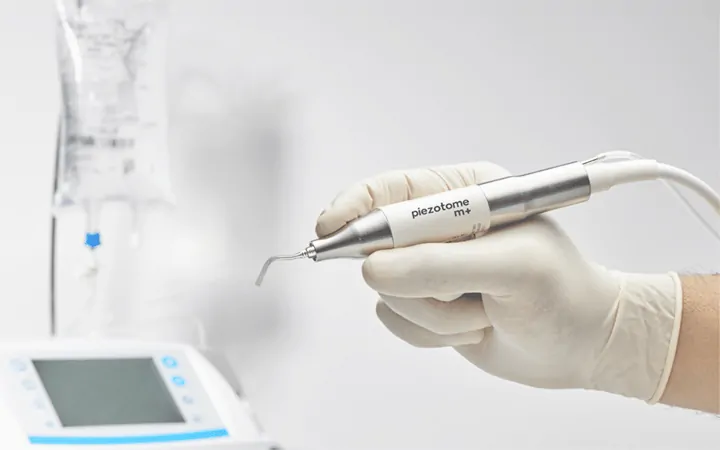
Named after the ultrasonic method called piezo, this technique has been used as an alternative to traditional rhinoplasty tools for the last decade. Basically, it allows the bone in the nose to be reshaped with the vibration created by ultrasonic sound waves. The sound waves emitted by the piezo ultrasonic device reshape the problematic part without damaging soft tissue around the nasal bones.
Since piezo rhinoplasty applied with ultrasonic waves is less traumatic than old-fashioned techniques, the recovery period is shorter. Therefore, it allows the patient to return to daily life as soon as possible. Thanks to the fact that traditional medical devices(chisel, hammer, etc.) are not used during the procedure, it does not cause damage to the adjacent tissues, nerves, vessels and bones. This results in less pain and swelling compared to traditional rhinoplasty.
With the piezo rhinoplasty method, the operations on the problematic bone or tissue part of the nose are performed with precision. Therefore, while preventing uncontrolled fractures, it gives more practical and successful results. The application time of this technique, which is safe with its advanced technology, is shorter than other techniques. In addition, the patient is usually discharged on the same day or the next day of the surgery and can continue his/her daily life.
How Does Piezo Rhinoplasty Work?
Although piezo technique has been known in rhinoplasty for the last 10 years, it has been used for many years in facial bone shaping (maxillofacial) orthopedics and neurosurgery. The expansion of its usage areas day by day depends on the fact that it is a safe and practical procedure.
Deformities and disproportions in the nose cause aesthetic and functional discomfort. Bony areas that cause the disorder in nose are reshaped by ultrasonic sound waves in the piezo rhinoplasty method. Thus with precision, piezo device provides a targeted nose can be achieved.
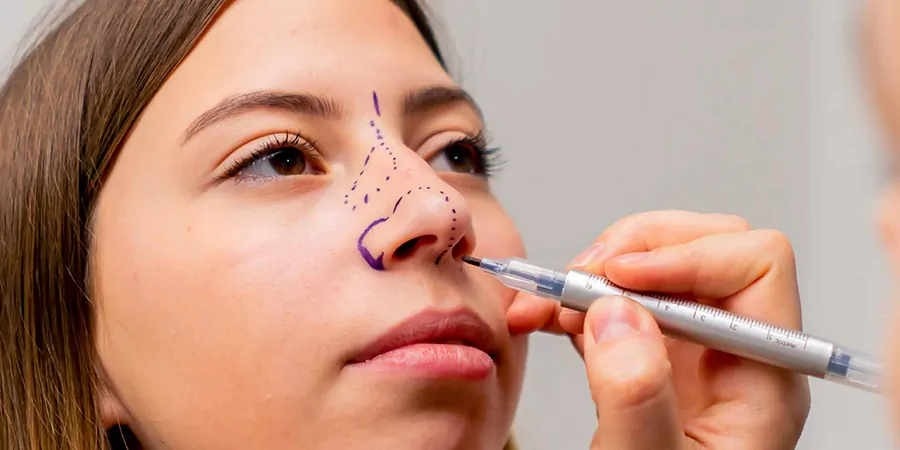
During the first examination for piezo rhinoplasty, it is checked whether the patient is suitable for this treatment method. Blood tests, chest x-ray, and ECG tests are performed to check the general health conditions. In addition, the anatomy of the nose is evaluated and if the general health conditions of the patient are suitable, the aesthetic operation is decided.
In piezo rhinoplasty procedures, a small incision is made in the columella (the are between nostrils) of the patient under general anesthesia. Then, a pencil-shaped tip of the piezo device is placed and the problematic bone, and cartilage areas are shaped. Afterward, the patient is taken to the waiting room to recover from the anesthesia. If there is no problem in the last control, the patient is discharged.
Piezo rhinoplasty has high success rates since it is performed under sterile conditions by a specialist experienced in this technique and nasal anatomy. It is a rhinoplasty technique that provides functional and aesthetically successful results. It is an aesthetic operation with high satisfaction rates for those who have a disordered nasal anatomy and feel discomfort.
How Long Does Piezo Rhinoplasty Take?
In the past years, rhinoplasty methods performed with the help of osteotomes and hand tools such as chisel and hammer have been replaced by modern techniques applied with minimal incisions. Piezo rhinoplasty is one of these innovative methods. It is a modern and effective technique for treating disorders in the nasal structure.
With its high-tech application and minimally invasive surgery, piezo rhinoplasty is more practical than other aesthetic nose surgeries. After the procedure, which takes an average of 2 hours, the patient usually achieves the targeted nose shape. However, it should be known that the duration of the procedure may vary according to some different factors.
The experience of the specialist, the general health status of the patient, and the anatomy of the nose are among the factors that affect the duration of this operation. Although the piezo technique involves minimal risk, it still carries risks according to every aesthetic application. It should not be ignored that possible complications may also prolong the duration of the procedure.
The piezo technique, which only acts on bone tissue, does not cause negative effects on the nerve, cartilage, and bone structure on the sides. Therefore, it is not necessary to intervene in those areas after the deformity corrections. This is among the factors that shorten the procedure process and recovery time of this technique.
In short, piezo rhinoplasty offers the advantage of both healing and short application time with its application with a high-tech technique. These advantages are the main reasons underlying its preference over traditional rhinoplasty methods.
What is the Advantage of Piezo Rhinoplasty?
Piezo rhinoplasty, which has developed with the adaptation of the latest technologies to treatment methods, brings some advantages with it. It is these advantages that make this aesthetic procedure stand out compared to others. However, it should be known that only a specialist who has mastered the piezo technique can offer these advantages.
To list the advantages of piezo rhinoplasty:
- It is safer than other methods as it is a technique that allows millimetric calculations.
- It does not damage adjacent tissue, nerves, cartilage, and bones during the procedure.
- Ultrasonic sound waves allow the nose to be shaped more smoothly.
- With minimal incisions, the healing process is shorter than other techniques.
- The patient feels minimal pain after the procedure. Since piezo affects only the bone there is less soft tissue damage and so less pain.
- As it is an advanced technique, success rates are extremely high.
- The risk of bruising, swelling, and edema is at a minimum level thanks to the fact that crushing and cutting tools are not used in shaping procedures on the nasal bone.
With piezo rhinoplasty, which has high satisfaction rates after the procedure, congenital nasal deformities, post-traumatic fractures, narrow and wide nasal structure, distortion and deviation of the nose, and deformities such as crooked nose can be easily corrected. It is also an interesting procedure as it is possible to see the effects immediately after the procedure. These advantages offered by piezo are an encouraging criterion for those who want to have rhinoplasty but hesitate.
Am I Suitable for Piezo Rhinoplasty?
Piezo rhinoplasty, which is considered safe with minimal incisions and no cutting instruments, can be applied after the age of 18. If the person’s general health conditions do not prevent him/her from undergoing an operation, he/she is generally considered to be a suitable candidate for rhinoplasty. Therefore, before deciding on this procedure, the person’s health conditions and nasal anatomy are evaluated precisely. Then it is decided whether it is suitable or not.
The criteria that people who are suitable for piezo rhinoplasty should meet are generally as follows:
- For those over the age of 18, bone development is usually complete
- Those who do not have health conditions that prevent the operation such as cancer, bleeding problems, diabetes, high blood pressure, heart and wound non-healing.
- Those who need rhinoplasty and do not want to have it broken.
- Those who have undergone rhinoplasty before but continue to have nasal deformity.
- Those with deformity and dysfunction in the nose after accidents and trauma.
- Those with congenital nose structure defects.
- Those whose nose tip is not in the desired shape.
- Those with a crooked nose structure to the right or left.
- Those with a narrow or wide nose structure.
- Those who have a crooked nose structure and are uncomfortable with it.
- Those who suffer from snoring and sleep apnea due to nasal deformity.
- Those who have both aesthetic and functional problems in the nasal structure with the budget necessary to undergo this operation.
Piezo rhinoplasty is not recommended for those who are pregnant, breastfeeding, and very old. Because it will be performed under general anesthesia, there may be a risk of complications. It is also not recommended for people with mental health problems who are not capable of making their own decisions.
What is the Recovery Process After Piezo Rhinoplasty?
The recovery process after piezo rhinoplasty is usually comfortable for the patient. The patient, who is discharged on the next day of the procedure, can continue his/her daily life from where he/she left off. However, although it has a short recovery period, it is essential to be meticulous about the things to be considered in this process.
Although it varies individually, it is quite natural to have bruising and swelling after rhinoplasty performed with the piezo technique. These swellings usually disappear up to one week after the procedure. While the splint placed on the nose is removed a few days after the procedure, it usually takes a week to remove the splint.
In order to have a healthy process during the healing period, it is necessary to pay attention to the recommendations of the specialist and to use the prescribed medications. Protecting the nose against trauma and impact, as well as scratching and playing with the nose should be avoided. In addition, blowing and washing procedures that will put pressure on the nose should be avoided.
After piezo rhinoplasty, it may take several months for the nasal tissues to heal completely and the micro-edema to decrease. When performed by an experienced specialist, revision surgery is usually not required. This technique gives extremely successful results in bone thinning in narrow areas of the nose with its high precision rate.
The healing process may take longer for patients with thicker nasal skin. In addition, smoking and alcohol use, direct sun exposure, consuming less water and eating an unbalanced diet can prolong the healing process. Therefore, paying maximum attention to the expert’s recommendations is extremely valuable for a healthy healing process.
Before – After Piezo Rhinoplasty
In order to see the full difference between before and after piezo rhinoplasty, edema, and swelling must disappear. The rare minimal pain usually disappears in a short time with the medications prescribed by the specialist.
In summary, piezo rhinoplasty is an aesthetic application in which ultrasonic sound waves are used to treat shape and proportional disorders in the nose. Since it requires a minimum incision, the healing process is fast and the risks are low. It is a modern technique used to treat nasal disorders that cause functional and aesthetic discomfort. When this technique is applied by an experienced specialist, it has high success rates.