Skip to content Skip to sidebar Skip to footer

Revision Nose Surgery: A Second Chance for a More Perfect Nose

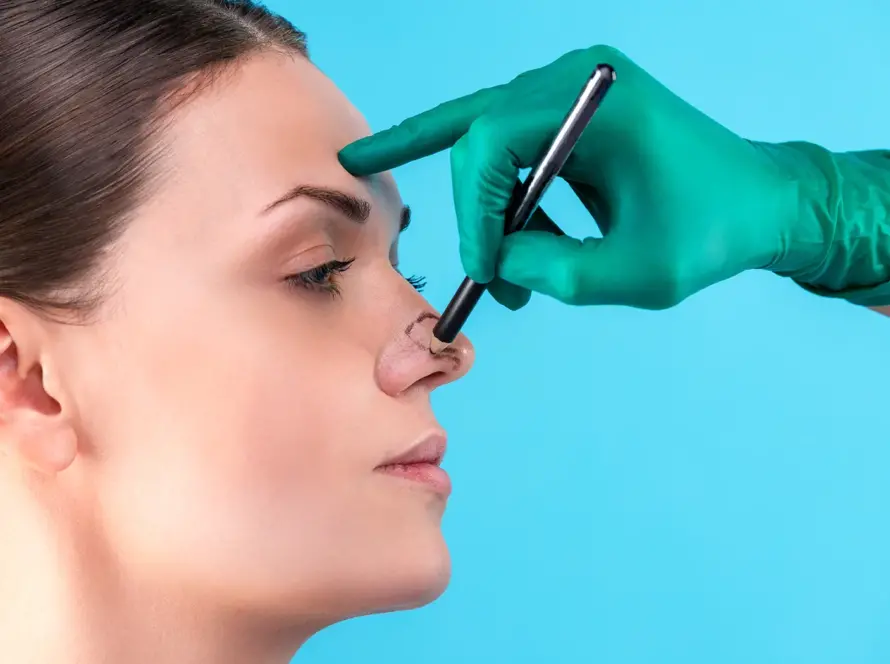
Revision nose surgery offers a second chance to correct issues from a previous rhinoplasty, such as asymmetric appearance or breathing difficulties. With the expertise of Op. Dr. Mustafa Bağlı, this procedure focuses on achieving both a repeat nose surgery and comfortable breathing for long-lasting results.

Revision nose surgery is the second opportunity to improve both the aesthetic and functional features of the nose when the first rhinoplasty has not met expectations. The most frequent reasons for performing revision nose surgery are asymmetrical nose correction, problems with breathing, or cosmetic defects after the first intervention. Therefore, this procedure offers an individual approach for comfortable breathing and a symmetrical nose that harmonizes with the rest of the face.

What is Revision Nose Surgery?

Also known as second nose surgery or repeat nose surgery, repeat rhinoplasty focuses on correcting issues left behind from the initial surgery. These may include the asymmetric nose correction, undesired aesthetic features like the dorsal hump, and functional issues with restricted airflow. To this end, the surgery requires a higher level of precision, as the surgeon will be dealing with scar tissues and previous alterations, hence a very complex procedure. Surgeons bring a great deal of experience in dealing with these complexities to achieve balanced and functional results.

This could involve a practice that uses cartilage grafts from other parts of the body, such as the ear or rib, to give additional support to the structure of the nose. A symmetrical nose would be the aim, but it should look natural, and above all, it is supposed to be one that assures breathing. Since most of the time, the treatment options need to be modified to work with the altered nasal structures, choice of an experienced specialist surgeon in revision nose surgery is crucial in the determination of aesthetic and functional success.

Why Seek Repeat Nose Surgery?

The most that come to mind regarding repeat nose surgery happens when the first rhinoplasty does not turn out as it should, or just the way the patient wants. Some of the common reasons for corrective nose surgery are general dissatisfaction with nose correction. This takes place in the case of the nose looking crooked, uneven, or sometimes imbalanced in comparison to other features of your face once the first surgery has been performed. Others have continued or new difficulties with comfortable breathing from structural problems that were either not adequately corrected in the first surgery or are caused inadvertently by the surgery.

Other specific aesthetic indications that may lead patients to seek a secondary procedure include visible scars, deformity, or an unnatural appearance. Secondary rhinoplasty allows the patient to refine the first results and address functional and cosmetic issues in an attempt to achieve the desired look and comfort of the nose. This can dramatically improve not only the look of a symmetric nose but also overall self-confidence and satisfaction with facial harmony.

Success of the operation is hugely dependent on the good selection of a surgeon whose expertise fits in revision rhinoplasty, a second nose surgery. Nose surgery revision is generally more complex than the initial rhinoplasty, as it involves working with scar tissue, altered nasal structures, and potentially weakened cartilage or bone. It needs much higher level nasal anatomy knowledge and advanced techniques that have been fully perfected in revision cases. Op. Dr. Mustafa Bağlı has great experience in treating such challenges, where functionality and aesthetic issues need to be approached with precision and care. Second nose operation surgeons may evaluate the particular needs of each case, formulate a specific surgical plan, and perform the most appropriate methods to alleviate complications resulting from the first surgery. By developing this expertise, they can provide long-lasting and satisfying results because the nose will look natural, function well, and be in harmony with the general proportions of the patient’s face.
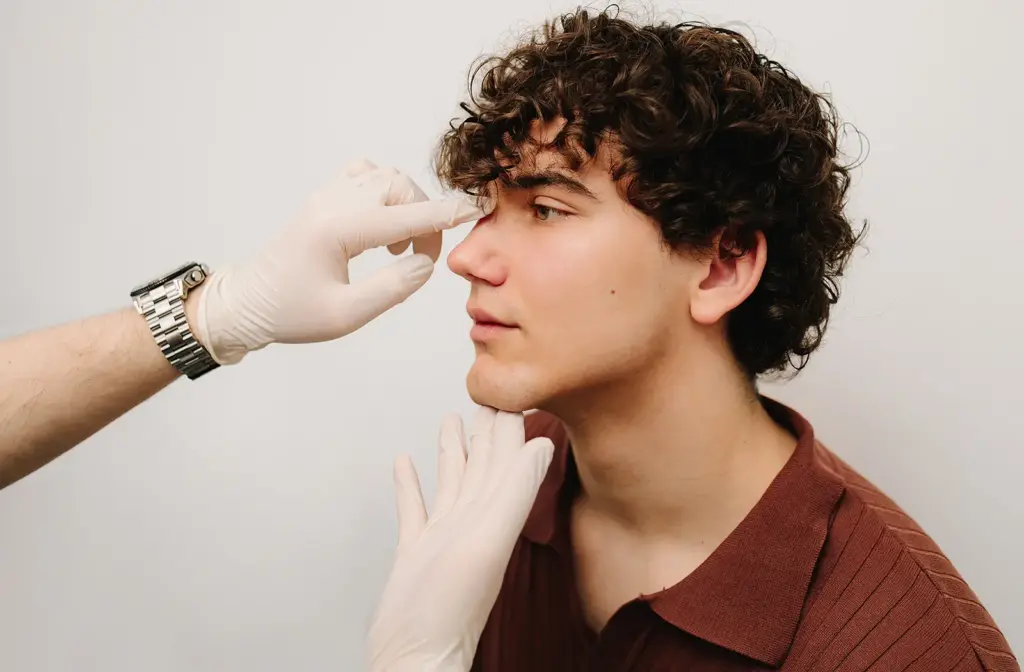
revision rhinoplasty, revision rhinoplasty surgery, revision nose esthetic, Revision Nose Surgery

Key Benefits of Revision Rhinoplasty

One of the primary benefits of corrective rhinoplasty is the ability to correct asymmetric nose correction issues, leading to a more symmetrical that harmonizes with the patient’s facial features. Patients often seek this procedure to address imbalances left after their first surgery, ensuring that their nose complements the overall structure of their face. A well-executed second nose surgery can dramatically improve facial symmetry, providing a natural and aesthetically pleasing result.

The first rhinoplasty often creates an unintended breathing problem in many patients, and this makes the second nose operation a necessity not only because of aesthetic improvements but also due to the needs for bringing comfortable breathing back. Revision surgery can correct some nasal passage structural problems impeding airflow, offering dramatic improvement to the patients concerning free breathing. Surgeons apply modern techniques so that the nose functions right along with achieving a symmetrical nose.

Revision nasal surgery, being secondary, usually tends to be an operation that involves more precision and subtle corrections. The surgeon will focus on fine-tuning areas of potential adjustment, which sometimes can result in a shorter period of recovery in contrast with the previous instance of surgery. People who undergo repeat nose surgery very often feel more confident and become satisfied with refined results, and their aesthetic and functional needs are met. As such, it increases the comfort level along with one’s confidence in appearance.

What to Expect During the Procedure

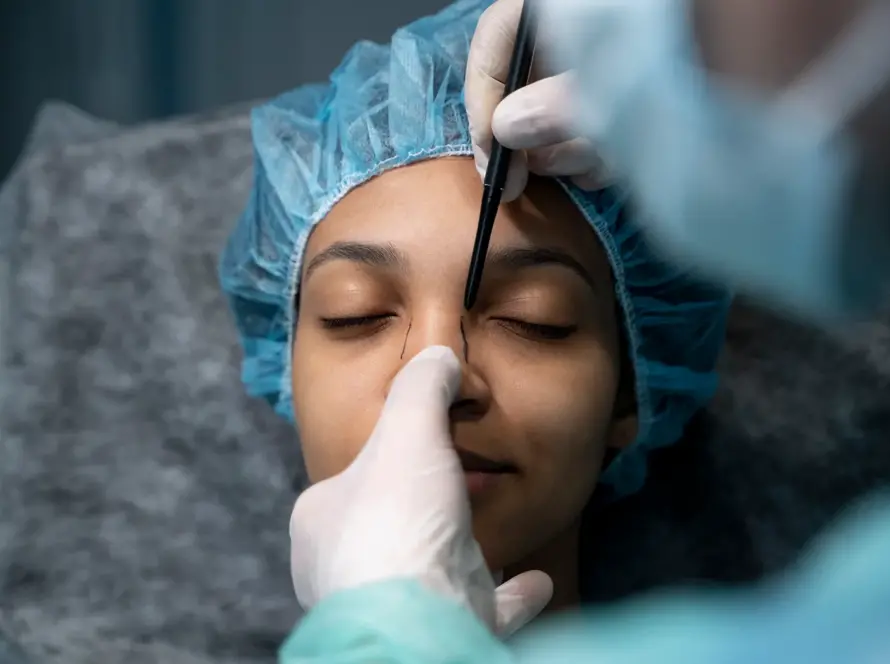
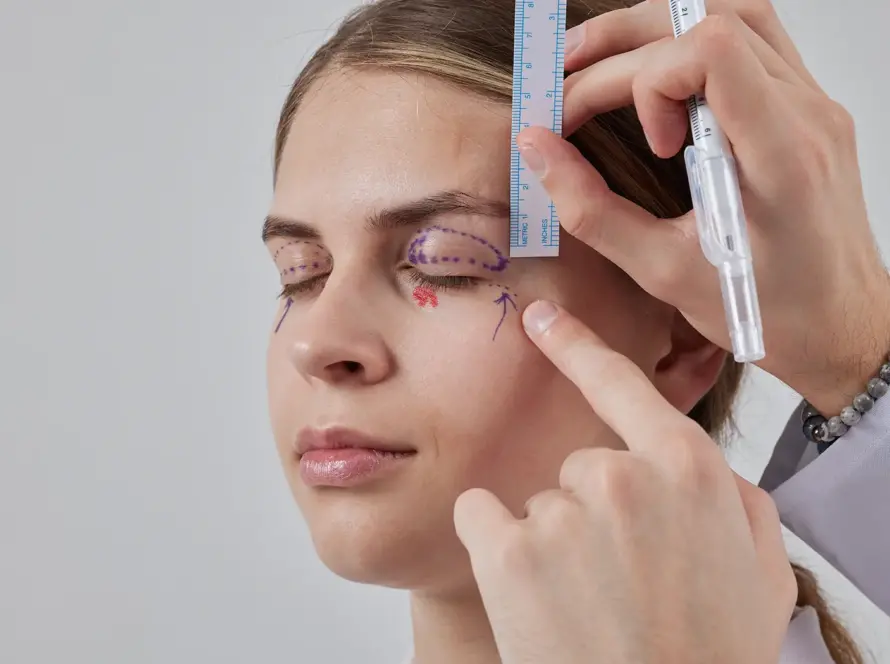
Before revision rhinoplasty takes place, a consultation between the patient and the surgeon will take place. In this very important pre-op consultation, the surgeon will extensively review the results of the first surgery, pointing to all the areas that require improvement, be it cosmetic or functional. In this consultation, the physician will go further into the anatomy of the nose, any complications arising from the first procedure, discuss the patient’s concerns, and everything he or she would want to achieve from undergoing the revision rhinoplasty. Setting understandable and realistic expectations is one surefire way to ensure that revision surgery goes well. A surgeon, such as Op. Dr. Mustafa Bağlı, who has gained recognition for his work in asymmetric nose correction, will take the time to evaluate a patient based on each situation and what they want to accomplish. Such profound assessment enables the creation of a tailored surgical plan that will target specific issues and be oriented toward individual facial features and nasal structure for optimal outcomes.

The actual surgery, which is usually done under general anesthesia in order to relax the patient, reshapes or reinforces the structural framework of the nose where necessary. Contingent upon complexity, this may include the use of cartilage grafts from other parts of the body-such as from the ear or the rib-for rebuilding and supporting the nose. The use of cartilage grafts is often necessary for reinforcement of the weakened areas to achieve appropriate restoration of form and function. At times, removal of scar tissues or shaving of the bone may be performed by the 

Revision Rhinoplasty in Turkey: A Complete Guide to Correcting a Previously Operated Nose

Undergoing a primary rhinoplasty comes with the expectation of a specific aesthetic or functional result. When a previously operated nose heals with persistent asymmetry, structural irregularities, or newly developed breathing difficulties, the decision to undergo another operation requires careful consideration. Patients researching secondary rhinoplasty often face unique physical and emotional challenges. Whether the goal is addressing a minor residual contour irregularity or resolving severe nasal obstruction, the approach to corrective surgery must focus on your current anatomy rather than simply attempting to reverse the previous operation.


Choosing to undergo revision rhinoplasty in Turkey involves working with a surgeon who must navigate altered structural support. Unlike a primary procedure, secondary rhinoplasty requires managing scar tissue, modified tissue planes, and changes to the nasal bones and cartilage framework. Because the previous surgery may have depleted available native cartilage, rebuilding the nose’s structural integrity sometimes requires advanced grafting techniques [Internal Link Opportunity: Cartilage Grafts in Rhinoplasty → Cartilage Grafts in Rhinoplasty]. However, not every revision requires an open approach, and not every case requires rib cartilage. The precise surgical plan is entirely dependent on an individualized assessment of what structural material remains, what the airway requires to function properly, and what the soft tissue will safely allow.


[QUICK ANSWER BOX]


  • What is revision rhinoplasty?
    Also known as secondary rhinoplasty, it is a corrective surgical procedure performed on a previously operated nose to address residual, recurrent, or newly developed aesthetic and functional concerns.
  • Why can it be more complex than primary rhinoplasty?
    The surgeon must navigate altered nasal anatomy, postoperative scar tissue, and weakened or depleted cartilage, often requiring specialized reconstructive techniques to restore structural stability.
  • When may revision be considered?
    Surgery is typically evaluated once initial healing is complete, specifically when patients experience persistent nasal obstruction, structural collapse, or unsatisfactory aesthetic contouring that can realistically be improved.
  • Where can cartilage come from?
    If structural support is needed, the surgeon will first assess remaining septal cartilage. If this is insufficient, ear cartilage or rib cartilage may be utilized depending on the required graft strength and volume.
  • Why is individual assessment necessary?
    No two previously operated noses are identical. The revision plan is dictated entirely by your current remaining structural support, tissue quality, and realistic functional and aesthetic goals.

What Is Revision Rhinoplasty in Turkey and Why Might You Need It?

Patients considering revision rhinoplasty in Turkey are often navigating the complex physical and emotional aftermath of a previous operation. Understanding the clinical terminology and the anatomical realities of a previously operated nose is the first step toward effective corrective surgery.

Primary rhinoplastyRevision rhinoplasty
Relatively unoperated anatomyPreviously altered anatomy
More native cartilage may be availableCartilage may be limited
Less existing scar tissueExisting scar tissue may affect dissection
Initial structural planReconstruction may be required

What does revision rhinoplasty mean?

Revision rhinoplasty is a corrective surgical procedure performed on a nose that has already undergone one or more previous operations. Instead of altering native anatomy, the surgeon must evaluate and modify a previously altered nasal structure to resolve residual, recurrent, or newly developed aesthetic and functional concerns.

Is revision rhinoplasty the same as secondary rhinoplasty?

Yes, these terms are frequently used interchangeably in medical practice. Secondary rhinoplasty specifically refers to the second operation performed on the nose. If a patient requires further surgical intervention after a secondary procedure, it is clinically categorized as a tertiary or multiple revision nasal surgery.

How is revision different from primary rhinoplasty?

The fundamental difference lies in the starting anatomy. While primary rhinoplasty alters native tissue, revision surgery must navigate postoperative scar tissue, altered tissue planes, and modified nasal bones and cartilage. Because the previous operation may have depleted available structural support, revision planning is entirely individualized. The surgeon cannot simply repeat a primary technique; they must carefully assess the remaining anatomy to safely restore structural stability and contour [Internal Link Opportunity: Rhinoplasty in Turkey → Rhinoplasty in Turkey].

Why might someone need another rhinoplasty?

A patient seeking another operation does not automatically mean the previous surgery was a technical failure. The healing process can unpredictably alter the final anatomical result over time. Patients typically consult a revision surgeon to address:

  • persistent aesthetic concern
  • asymmetry
  • structural change
  • breathing difficulty
  • contour irregularity
  • healing-related changes

Can revision address both appearance and breathing?

Yes, revision surgery often addresses both. Postoperative nasal obstruction can occasionally develop due to weakened structural support, altered cartilage, or compromised nasal valves. A comprehensive revision plan will individually assess your anatomy to determine whether your goals require cosmetic refinement, functional airway reconstruction, or a combined approach to restore both facial harmony and healthy airflow [Internal Link Opportunity: Functional Rhinoplasty → Functional Rhinoplasty].

What Can Go Wrong After a Primary Rhinoplasty and What Can Revision Rhinoplasty Correct?

While many primary rhinoplasty procedures yield satisfactory results, the healing process and altered anatomy can occasionally lead to unexpected aesthetic or functional changes. Understanding the structural reasons behind these postoperative concerns is essential before considering revision rhinoplasty in Turkey.

[MEDIA 02: PATIENT CONCERN → POSSIBLE ANATOMY MAP]

A six-panel medical illustration translating patient language into possible anatomical contributors.

  • Crooked nose → possible structural asymmetry or septal deviation
  • Pinched tip → possible altered or weakened tip cartilage support
  • Collapsed bridge → possible reduced dorsal structural support
  • Uneven nostrils → possible alar base asymmetry or scar tissue contracture
  • Over-reduced nose → possible excessive bone or cartilage reduction
  • Breathing difficulty → possible septal, nasal valve, or structural issue
“Possible anatomical contributors vary by patient and require clinical assessment.”

Why does my nose still look crooked after rhinoplasty?

A nose may appear crooked after surgery due to residual septal deviation, asymmetrical bone healing, or uneven scar tissue formation. Because cartilage has a natural “memory,” it can sometimes warp or shift as swelling subsides during the [Internal Link Opportunity: Rhinoplasty Recovery → Rhinoplasty Recovery] period. Revision nose surgery may involve repositioning the nasal bones or using cartilage grafts to stabilize the septum and create a straighter, more structurally sound alignment.

Why does my nasal tip look pinched, asymmetric or over-rotated?

A pinched, asymmetrical, or overly upturned (over-rotated) tip often relates to weakened or excessively reduced lower lateral cartilages. When the structural support of the nasal tip is compromised, the skin and soft tissues can contract tightly during healing, creating a pinched appearance. Corrective rhinoplasty often addresses this by meticulously rebuilding the tip framework using structural grafting to restore a natural contour, adequate projection, and appropriate rotation.

Why does the bridge look irregular or collapsed?

Irregularities along the nasal bridge can stem from uneven bone edges, displaced cartilage, or excessive reduction of the dorsal structure (sometimes resulting in an inverted-V deformity or a saddle nose). If the bridge lacks adequate support, it may appear scooped or collapsed. Revision rhinoplasty frequently involves reconstructing the nasal dorsum, which may require [Internal Link Opportunity: Cartilage Grafts in Rhinoplasty → Cartilage Grafts in Rhinoplasty] to restore a smooth, continuous profile and necessary structural integrity.

Why are my nostrils uneven?

Nostril asymmetry is highly common and can be caused by differences in the underlying alar cartilage, unequal healing, scar contracture, or inherent facial asymmetry. While perfect symmetry is biologically impossible, a revision surgeon can often improve nostril balance by adjusting the cartilage framework, repositioning the alar base, or carefully releasing tethered scar tissue.

Why does my nose look over-reduced?

An over-reduced appearance occurs when too much bone or cartilage was removed relative to your facial proportions. This can result in a nose that looks excessively small, scooped, or structurally frail. Correcting an over-reduced nose shifts the surgical focus from reduction to structural reconstruction, typically requiring graft material to rebuild the framework and restore harmonious facial balance.

Why can’t I breathe properly after rhinoplasty?

Postoperative nasal obstruction requires careful clinical assessment, as it may stem from multiple anatomical contributors. Possible causes include uncorrected septal deviation, compromised internal or external nasal valves, turbinate hypertrophy, or structural collapse due to weakened cartilage. Breathing problems after rhinoplasty demand functional airway reconstruction. A thorough evaluation will determine if [Internal Link Opportunity: Functional Rhinoplasty → Functional Rhinoplasty] or [Internal Link Opportunity: Septoplasty → Septoplasty] techniques are necessary to safely restore healthy airflow alongside aesthetic improvements.

Can revision correct all of these problems?

While revision surgery can significantly improve both appearance and function, it cannot guarantee perfect symmetry or completely reverse a previous surgery. Your surgeon must evaluate your current anatomy, specifically the extent of scar tissue and the availability of donor cartilage, to determine what is realistically achievable. A successful revision aligns your aesthetic and functional goals with the anatomical limitations of your previously operated nose.

Why Is Revision Rhinoplasty in Turkey More Complex Than the First Operation?

Patients researching revision rhinoplasty in Turkey often wonder why a secondary procedure requires specialized surgical planning. The primary reason is that the surgeon must navigate a previously altered nasal framework, which changes the technical requirements of the operation.


[MEDIA 03: PRIMARY RHINOPLASTY to ALTERED ANATOMY to REVISION]


Three stage medical illustration:


  • Original anatomy
  • Previous surgery
  • Revision situation
Show:


  • scar tissue
  • altered support
  • remaining cartilage
  • changed soft tissue
  • possible functional concerns
Caption:
“Previous surgery can change the anatomy that a revision surgeon must work with.”


How does scar tissue affect revision surgery?

Every surgical procedure produces internal scarring during the healing process. In secondary rhinoplasty, scar tissue can alter natural tissue planes, making it more challenging to elevate the skin and access the underlying bone and cartilage. This fibrosis can also pull on the nasal framework as it matures, contributing to postoperative asymmetry or contour irregularities.


What happens when cartilage has already been removed?

During a primary operation, cartilage is often reshaped or reduced to achieve the desired contour. In a revision scenario, the native septal cartilage may be significantly depleted. Because the septum is the primary donor site for structural grafting, a lack of available septal cartilage means the surgeon must carefully assess whether alternative sources, such as ear or rib cartilage, are necessary to rebuild the nose.


How can previous surgery weaken nasal support?

The nose relies on a delicate balance of bone and cartilage to maintain its shape against the pull of gravity and scar contracture. Previous modifications can sometimes reduce this inherent structural stability. Weakened dorsal or tip support can eventually lead to a collapsed bridge, a drooping tip, or restricted breathing, requiring structural reinforcement rather than mere cosmetic refinement.


How can previous surgery affect the nasal airway?

Changing the external shape of the nose inherently affects the internal airway. If structural support is compromised, the nasal valves may collapse during inhalation. Additionally, an altered septum or excessive reduction of the lateral walls can obstruct airflow. An effective revision must comprehensively evaluate the internal anatomy, often incorporating [Internal Link Opportunity: Functional Rhinoplasty to Functional Rhinoplasty] techniques to restore healthy breathing.


Why does the skin and soft tissue envelope matter?

The skin covering the nose does not simply drape passively over the framework. Postoperative skin characteristics dictate what underlying changes will be visible. Thin skin may reveal minor structural irregularities or edges of previous grafts, while thick, scarred skin may hide delicate refinements and experience prolonged swelling during the [Internal Link Opportunity: Rhinoplasty Recovery to Rhinoplasty Recovery] period.


Why can revision require reconstruction instead of further reduction?

A common misconception is that corrective rhinoplasty simply involves removing more tissue to fix a bulky or irregular nose. In reality, many postoperative deformities result from an over reduction of the structural framework. Restoring natural facial harmony and airway function frequently requires advanced grafting techniques [Internal Link Opportunity: Cartilage Grafts in Rhinoplasty to Cartilage Grafts in Rhinoplasty] to rebuild lost support.


Why does every revision need an individual plan?

Because prior surgical techniques and individual healing responses vary drastically, the fact that you have had a previous operation does not dictate a single specific approach. The surgical plan must be based entirely on your current available anatomy, the extent of existing scar tissue, and your realistic aesthetic and functional goals.

How Is a Previously Operated Nose Assessed Before Revision Rhinoplasty in Turkey?

Before planning a corrective procedure, the surgeon must conduct a thorough medical investigation. Assessing a previously operated nose involves understanding your surgical history, examining external contours, evaluating internal function, and determining what structural material remains available for reconstruction.

[MEDIA 04: “READ THE REVISION NOSE” ANATOMY DIAGRAM]

Show frontal and profile anatomy.

Callouts:

  • Skin and soft tissue
  • Nasal bones
  • Dorsum and radix
  • Upper lateral cartilage
  • Lower lateral cartilage
  • Tip support
  • Septum
  • Nasal valves
  • Alar base
Side panel:

The surgeon is asking:

  • What changed?
  • What remains?
  • What is weakened?
  • What is causing the concern?
  • What can realistically be reconstructed?
Footer:

“Educational framework, not a diagnostic tool.”

What does the surgeon need to know about my previous rhinoplasty?

Your consultation begins with a detailed surgical history. The surgeon will ask when your previous operations occurred, what specific techniques were discussed, how your healing progressed, and what functional or aesthetic concerns developed. This history provides essential context for the physical examination.

Why are original preoperative photographs useful?

Photographs taken before your very first surgery reveal your native anatomy. They help the revision surgeon understand your original structural framework, skin characteristics, and facial proportions. By comparing your native nose to your current anatomy, the surgeon can identify exactly how the previous surgery altered your nasal structure.

Why does the original operative report matter?

The operative report acts as a map of your previous surgery. It details which cartilages were removed, whether the septum was altered, and if any grafts were placed. Knowing these details helps the surgeon anticipate the internal anatomical landscape and plan potential grafting requirements before making an incision.

[MEDIA 05: REVISION CONSULTATION RECORDS CHECKLIST]

Use a checklist:

  • Previous operative report
  • Original preoperative photos
  • Previous postoperative photos
  • Dates of previous surgeries
  • Previous grafts and materials if known
  • Breathing symptoms
  • Previous complications
  • Relevant medical history
  • Aesthetic concerns
  • Functional concerns

What is examined externally?

The external physical examination evaluates skin thickness, elasticity, and visible scar tissue. The surgeon will palpate the nose to feel for underlying contour irregularities, bone edges, and the strength of the remaining cartilage framework. Your soft tissue envelope directly dictates what underlying structural changes will be visible.

How are the nasal bones, cartilage and septum assessed?

The surgeon carefully palpates the bridge to check for asymmetrical nasal bones or a depleted dorsal structure. Internal examination focuses heavily on the septum to determine if adequate septal cartilage remains available for grafting. If native cartilage is depleted, alternative sources like ear or rib cartilage must be considered [Internal Link Opportunity: Cartilage Grafts in Rhinoplasty to Cartilage Grafts in Rhinoplasty].

How is breathing assessed?

A functional airway assessment goes beyond simply looking inside the nose. The surgeon will check for a deviated septum, enlarged turbinates, and nasal valve collapse. Not all postoperative breathing problems have the same cause, so precise identification is critical to determine if [Internal Link Opportunity: Functional Rhinoplasty to Functional Rhinoplasty] or [Internal Link Opportunity: Septoplasty to Septoplasty] techniques are required.

When might imaging or additional tests be needed?

While a physical examination is usually sufficient, advanced imaging may be clinically indicated. A CT scan can provide a detailed view of the nasal bones, severe septal deviations, and sinus anatomy. However, imaging is not automatically required for every patient and is ordered selectively based on your specific functional symptoms.

What happens if I do not have my previous medical records?

Many international patients travelling for revision rhinoplasty in Turkey cannot access their previous records. While these documents are helpful, a lack of records does not prevent corrective surgery. An experienced surgeon can still develop a safe and effective reconstructive plan based entirely on a meticulous physical examination and direct surgical exploration.

How Does the Surgeon Decide What Needs to Be Rebuilt During Revision Rhinoplasty?

When planning revision rhinoplasty in Turkey, the surgical approach is entirely dictated by your current anatomy. A successful outcome relies on a fundamental principle: the surgical technique must follow the anatomical reality. Rather than applying a universal method, the surgeon evaluates what structural elements are missing, weakened, or altered, and then designs a precise plan to restore both function and facial harmony.

[MEDIA 06: PATIENT CONCERN TO ANATOMY TO RECONSTRUCTION OBJECTIVE]

Patient concernAssessment may identifyReconstruction objective
Pinched tipAltered or weak tip supportRestore support
Collapsed bridgeReduced dorsal supportRebuild framework
Crooked noseStructural asymmetryImprove alignment and support
Breathing difficultyAirway, valve, or septal issueImprove functional structure
Over reduced appearanceStructural deficiencyRestore volume and support
“Assessment may identify these contributors, but individual clinical evaluation is required.”

When does revision require structural reconstruction?

A secondary operation shifts from simple cosmetic refinement to structural reconstruction when the previous surgery has compromised the underlying framework. If you are experiencing nasal obstruction, a collapsed bridge, or a severely pinched tip, the surgeon will likely need to rebuild the foundational architecture to ensure long term structural stability.

When might limited reshaping be sufficient?

Not every revision requires major structural grafting. If your nasal framework remains strong and your breathing is unobstructed, minor contour irregularities or superficial asymmetry might be addressed through limited reshaping. In these select cases, a surgeon can gently smooth bone edges, refine scar tissue, or make localized adjustments without a complete framework overhaul.

How can lost structural support be restored?

When the native framework is deficient, cartilage grafting becomes necessary to rebuild strength and volume. The surgeon typically looks first to any remaining septal cartilage. If this is insufficient due to previous operations, ear or rib cartilage may be utilized [Internal Link Opportunity: Cartilage Grafts in Rhinoplasty to Cartilage Grafts in Rhinoplasty]. The choice of graft material depends entirely on how much structural support your specific anatomy requires.

How can tip support be reconstructed?

A tip that appears pinched, asymmetrical, or drooping often lacks adequate central and lateral support. To correct this, the surgeon may place strategic structural grafts to fortify the lower lateral cartilages. Rebuilding this area restores a natural contour and prevents the tip from collapsing under the pressure of healing soft tissue.

How can a weakened or collapsed bridge be reconstructed?

Excessive reduction of the nasal bridge during a previous surgery can lead to a scooped appearance or an inverted V deformity. Reconstructing the dorsum involves placing precisely carved cartilage grafts along the bridge. This process restores a smooth, continuous profile and reestablishes the structural integrity necessary to keep the airway open.

How can nasal valve support be addressed?

The nasal valves act as the primary intake areas for airflow. If previous surgery weakened the sidewalls, these valves may collapse inward when you inhale. Reconstructing this area typically requires specific grafting techniques to stiffen the sidewalls, which is a critical component of [Internal Link Opportunity: Functional Rhinoplasty to Functional Rhinoplasty].

Why can removing more cartilage sometimes worsen a problem?

Patients often assume that correcting a bulky or irregular nose simply requires removing more tissue. However, if a postoperative deformity is caused by structural collapse, removing more cartilage will only weaken the framework further. In these situations, the appropriate surgical solution is adding structural volume to stretch the skin envelope properly and restore a balanced, functional shape.

Where Does the Cartilage Come From for Revision Rhinoplasty in Turkey?

Rebuilding a previously operated nose often requires structural reinforcement. Because the native framework may have been reduced during a prior operation, the surgeon must identify an appropriate donor site to harvest cartilage for reconstruction. The choice of donor cartilage is dictated by how much volume and structural strength your specific revision requires.

[MEDIA 07: CARTILAGE DONOR SITE ANATOMICAL ILLUSTRATION]

Show:
SEPTUM to EAR to RIB

For each donor site explain visually:

  • Location
  • Potential structural role
  • Relative availability
  • Major considerations
“The appropriate donor source depends on the patient’s individual anatomy and structural needs.”

[READABILITY ELEMENT: CARTILAGE COMPARISON TABLE]

Cartilage SourceTypical UseStructural CharacteristicsAmount AvailableLimitationsPatient Considerations
SeptumTip refinement, structural supportStraight, moderate strengthOften limited in revisionMay be depleted from previous surgeryFirst choice when available
Ear (Auricular)Tip contouring, minor camouflageSoft, curved, flexibleModerateToo soft for major structural supportDoes not alter ear appearance
Rib (Costal)Major reconstruction, dorsal supportStrong, abundant, straightHighRequires a small chest incisionUsed when septal/ear cartilage is insufficient

Can remaining septal cartilage be used?

The nasal septum is the preferred donor site for most rhinoplasty procedures. However, in secondary cases, the septum is frequently depleted, either because cartilage was used during the primary surgery or due to a previous [Internal Link Opportunity: Septoplasty to Septoplasty]. If sufficient, strong septal cartilage remains, it will be utilized first.

When is ear cartilage used?

Ear, or auricular, cartilage is naturally curved and relatively soft. This flexibility makes it excellent for contouring the nasal tip or camouflaging minor irregularities, but it is generally too weak to provide significant foundational support for a collapsed bridge or severely compromised airway.

When might rib cartilage be considered?

Rib (costal) cartilage provides abundant, robust material necessary for major structural reconstruction. If you require substantial rebuilding of the nasal dorsum or rigid support for collapsed nasal valves, and your septal cartilage is depleted, the surgeon may consider harvesting rib cartilage [Internal Link Opportunity: Cartilage Grafts in Rhinoplasty to Cartilage Grafts in Rhinoplasty]. Not every revision requires rib cartilage, but it is a critical option when significant strength and volume are needed.

What are the differences between septal, ear and rib cartilage?

The primary differences lie in strength, shape, and availability. Septal cartilage is straight and moderately firm. Ear cartilage is curved and soft. Rib cartilage is straight, rigid, and available in large quantities, making it ideal for substantial structural fortification.

What if there is not enough cartilage?

If the native septum is insufficient, the surgeon must look to secondary donor sites. In complex revision cases requiring extensive reconstruction where ear cartilage is too weak, harvesting your own rib cartilage provides the necessary structural foundation.

Can previous grafts be reused?

Occasionally, existing grafts from a previous surgery can be modified or repositioned. However, previous grafts are often surrounded by scar tissue or may have weakened over time. Relying on them is unpredictable, and a surgeon must usually harvest fresh cartilage to ensure long term structural stability.

How does the surgeon choose the graft source?

There is no universally “best” donor site. The surgeon selects the graft source based entirely on your anatomical needs. The decision depends on how much structural support your airway requires, what contour changes are planned, and which donor sites remain viable after your previous operations.

Which Revision Rhinoplasty Techniques May Be Used in Turkey?

The surgical approach for revision rhinoplasty in Turkey depends entirely on the unique anatomical reality of your previously operated nose. Because previous surgery alters the native nasal framework, the chosen technique must address your specific structural and functional needs.

[MEDIA 08: TECHNIQUE FOLLOWS ANATOMY DECISION MAP]

Central node:
Revision anatomy

Branches:

  • Open approach
  • Closed approach
  • Tip reconstruction
  • Dorsal reconstruction
  • Septal reconstruction
  • Nasal valve reconstruction
  • Alar and nostril correction
  • Functional revision
Bottom statement:
“Technique follows anatomy, not the other way around.”

What is open revision rhinoplasty?

An open approach involves a small incision across the columella, the tissue separating the nostrils. This technique lifts the skin envelope to provide complete visibility of the nasal framework. Open revision is often preferred for complex cases requiring extensive structural reconstruction, as it allows the surgeon to meticulously navigate scar tissue and precisely secure cartilage grafts [Internal Link Opportunity: Open vs Closed Rhinoplasty to Open vs Closed Rhinoplasty].

What is closed revision rhinoplasty?

A closed approach places all incisions inside the nostrils, leaving no external scar. This technique involves less disruption to the surrounding tissues and typically offers a faster initial recovery. Closed revision is reserved for targeted refinements where the underlying structural support remains strong and only isolated contour irregularities require correction.

When may tip reconstruction be needed?

If previous surgery weakened the lower lateral cartilages, the tip may appear pinched, asymmetrical, or overly rotated. Tip reconstruction utilizes structural grafts to rebuild this delicate framework. The goal is to restore a natural contour and ensure the tip possesses enough support to withstand the contracting forces of healing skin.

When may dorsal reconstruction be needed?

Excessive removal of bone or cartilage during a primary procedure can cause the nasal bridge to collapse or look artificially scooped. Dorsal reconstruction involves layering or structural grafting along the bridge to rebuild the profile. This technique restores facial harmony and reestablishes the structural integrity required to keep the airway open.

When may septal reconstruction be needed?

The septum provides foundational support for the entire lower two thirds of the nose. If previous surgery left the septum deviated or structurally compromised, septal reconstruction becomes necessary. This technique may involve harvesting cartilage from other donor areas to stabilize the central nasal structure and improve breathing [Internal Link Opportunity: Septoplasty to Septoplasty].

When may nasal valve reconstruction be needed?

The internal and external nasal valves control airflow. Postoperative narrowing or collapse of these valves is a common cause of breathing difficulty. Nasal valve reconstruction involves placing specific cartilage grafts to stiffen the lateral sidewalls, preventing them from collapsing inward during inhalation.

When may alar or nostril correction be considered?

Uneven healing or scar contracture can lead to nostril asymmetry or retracted alar rims. Correction may involve releasing tethered scar tissue, repositioning the alar base, or placing small contour grafts. While absolute symmetry is biologically impossible, these techniques can significantly improve balance and proportion.

What is functional revision rhinoplasty?

Many patients seek a second operation solely or partially to resolve postoperative breathing obstruction. Functional revision rhinoplasty focuses entirely on clearing the airway by addressing septal deviation, reinforcing collapsed nasal valves, and reducing enlarged turbinates [Internal Link Opportunity: Functional Rhinoplasty to Functional Rhinoplasty]. A functional approach prioritizes structural stability and healthy airflow alongside any necessary cosmetic refinements.

How Does Ethnic Anatomy Affect Revision Rhinoplasty in Turkey?

While cultural background can provide context for a patient’s aesthetic goals, an experienced surgeon approaches every operation based purely on individual physical characteristics. A successful outcome requires a deep understanding of unique structural elements rather than relying on broad categorizations.

[MEDIA 09: ANATOMY FIRST ETHNIC REVISION VISUAL]

Use an anatomy first illustration.

Patient descriptions:

  • Wide nose
  • Low bridge
  • Bulbous tip
  • Drooping tip
Translate them into anatomical assessment:

  • Soft tissue envelope
  • Cartilage strength
  • Tip support
  • Dorsal structure
  • Alar base
Central statement:
“Same ethnic background ≠ same revision plan.”

Why doesn’t ethnicity determine an individual revision plan?

Ethnicity provides general context, but two patients from the exact same ethnic background can have entirely different cartilage strength, skin thickness, and structural needs. A safe and effective revision plan must be based strictly on a personalized anatomical assessment, never a generalized template.

How can skin and soft tissue characteristics matter?

The soft tissue envelope significantly influences surgical outcomes. Patients with thicker, more sebaceous skin may experience prolonged swelling or require stronger underlying structural support to show definition [Internal Link Opportunity: Rhinoplasty for Thick Skin to Rhinoplasty for Thick Skin].

How can cartilage strength and tip support matter?

Inherently softer lower lateral cartilages require specific grafting techniques to maintain projection. If previous ethnic nose surgery weakened an already delicate framework, [Internal Link Opportunity: Cartilage Grafts in Rhinoplasty to Cartilage Grafts in Rhinoplasty] become critical to restore long term tip support.

How should facial proportions influence planning?

A successful revision evaluates how the nasal structure interacts with the chin, cheeks, and forehead. Corrective surgery should balance the nose with your unique facial architecture, ensuring harmony and appropriate scale based on your specific bone structure.

How can revision preserve facial identity?

Many patients seek corrective surgery because an overly aggressive primary operation erased their natural features. A major goal of [Internal Link Opportunity: Ethnic Rhinoplasty in Turkey to Ethnic Rhinoplasty in Turkey] is to resolve specific functional or aesthetic concerns while honoring and preserving your distinct facial identity.

When might previous ethnic rhinoplasty affect revision planning?

If your previous surgeon relied on extensive cartilage reduction or placed synthetic implants, the surgical plan must account for depleted donor tissue and altered structural mechanics. Anyone exploring revision rhinoplasty in Turkey must undergo a thorough evaluation to understand exactly how their prior operation changed their native anatomical baseline.

When Should I Have Revision Rhinoplasty in Turkey?

Dealing with an unsatisfactory surgical result is emotionally challenging, and the desire to correct it immediately is completely understandable. However, timing your revision rhinoplasty in Turkey is a critical medical decision. The appropriate timing depends entirely on your tissue recovery and clinical presentation rather than a universal calendar date.

[MEDIA 10: REVISION TIMING TIMELINE]

Timeline:
0 to 3 months to 3 to 6 months to 6 to 12 months to around 12+ months

Show:

  • Swelling reduction
  • Tissue healing
  • Scar maturation
  • Assessment reliability

Why do surgeons often recommend waiting around 12 months?

Major medical institutions generally advise waiting approximately a year for elective corrective surgery. This allows deep tissue swelling to fully resolve and the nasal framework to settle into its final position. However, waiting 12 months is a common guideline, not an absolute rule for every patient. The primary goal is ensuring the surgeon can evaluate a stable anatomical baseline before planning another operation.

What happens during the first 6 to 12 months?

Rhinoplasty healing continues for many months. During this period, residual swelling slowly dissipates, skin contracture tightens the soft tissue envelope, and cartilage memory may cause subtle structural shifts. A contour irregularity visible at four months might resolve naturally, or a new asymmetry might emerge as swelling finally leaves the nasal tip.

Can revision ever be performed earlier?

Yes, earlier intervention is sometimes possible. If an aesthetic deformity is profound, localized, and clearly not related to swelling, or if there is a clear functional failure, a surgeon might consider an earlier timeline. Your individual anatomy and the specific nature of the complication dictate whether early surgery is safe.

What problems require earlier medical assessment?

While waiting for maturation is standard for aesthetic concerns, certain complications demand immediate clinical attention. Severe nasal obstruction, exposed cartilage grafts, signs of infection, or profound structural collapse require prompt medical evaluation rather than waiting out an arbitrary timeframe.

Why does scar maturation matter?

Scar tissue forms internally after any surgical procedure. Operating on immature, inflamed scar tissue is highly unpredictable and increases the risk of surgical complications. Allowing the scar tissue to mature and soften makes surgical dissection much safer and ensures that the reconstructed framework will not be distorted by ongoing tissue contraction.

What can I do while waiting?

The waiting period is highly valuable for preparation. You can use this time to gather your previous operative reports, document your healing progress with dated photographs, and carefully research a highly qualified specialist to perform your revision rhinoplasty in Turkey. Rushing into a second surgery prematurely can severely compromise your final structural result.

Am I a Candidate for Revision Rhinoplasty in Turkey?

Determining whether you are an appropriate candidate for revision rhinoplasty in Turkey involves more than simply desiring a change. A responsible surgeon must carefully evaluate your medical history, your current anatomy, the extent of your previous surgeries, and whether your goals are surgically achievable.

[MEDIA 11: CANDIDACY FRAMEWORK]

Three columns:

  • Potentially appropriate for further assessment
  • Needs further assessment
  • Reasons for caution
Footer:
“Only an appropriately qualified clinician can determine individual candidacy.”

Who may benefit from revision rhinoplasty?

Patients may be considered for assessment if they have fully healed from their prior procedure and are experiencing persistent aesthetic deformities, structural collapse, or functional breathing issues. Candidacy relies heavily on having realistic expectations about what can be achieved with your remaining tissue and structural framework.

Can I have revision after two or more previous rhinoplasties?

Tertiary or multiple revision surgeries are possible but require exceptionally careful planning. Each subsequent operation increases scar tissue and further depletes native cartilage. Your candidacy depends entirely on whether enough healthy tissue remains to safely perform reconstruction and support the healing process.

Can I have revision if my first surgery was performed abroad?

Yes. Many international patients seek corrective surgery regardless of where their primary operation occurred [Internal Link Opportunity: Rhinoplasty in Turkey to Rhinoplasty in Turkey]. During your consultation, providing whatever previous surgical records or operative reports you can obtain will assist the surgeon in understanding your altered anatomy.

What if my main problem is breathing?

If your primary concern is postoperative nasal obstruction, you require a functional airway assessment. Functional revision rhinoplasty focuses on repairing collapsed nasal valves, correcting residual septal deviations, and restoring structural stability. Improving your breathing is a primary indicator for surgical intervention [Internal Link Opportunity: Functional Rhinoplasty to Functional Rhinoplasty].

What if I only want a small correction?

Even minor contour irregularities require a thorough anatomical evaluation. Sometimes, what appears to be a small bump or asymmetry is actually a sign of underlying structural weakness. A surgeon will determine whether a targeted closed approach is sufficient or if the underlying framework requires more robust support.

When might another operation not be recommended?

A surgeon may advise against revision if your nose is structurally sound but your aesthetic goals are anatomically impossible, if the risk of further scarring outweighs the potential benefit, or if you have not allowed sufficient time for the previous surgery to fully heal [Internal Link Opportunity: Rhinoplasty Recovery to Rhinoplasty Recovery]. Not every postoperative concern can or should be corrected with another operation.

What Happens During a Revision Rhinoplasty Consultation in Turkey?

A consultation for revision rhinoplasty in Turkey is an investigative process. Because your native anatomy has been altered, the surgeon must systematically evaluate your medical history, remaining structural support, and airway function before proposing a safe corrective plan.

[MEDIA 12: REVISION CONSULTATION DECISION TREE]

Flow:

Patient concern

↓

Previous surgery history

↓

Photographs / records

↓

External examination

↓

Airway assessment

↓

Structural assessment

↓

Cartilage availability

↓

Aesthetic + functional goals

↓

Options + limitations

↓

Individual plan

What should I send before an online consultation?

An online consultation is an excellent starting point for international patients, allowing the surgeon to review your history before you travel. You should prepare clear, well lit photographs, your surgical timeline, and a detailed description of your breathing and aesthetic concerns.

What photographs are useful?

Providing a complete photographic history is highly valuable. Original preoperative photographs (taken before any surgery) show your native anatomy, while immediate postoperative photographs and your current appearance help the surgeon understand exactly how the tissue has healed and changed over time.

Why are previous operative records important?

If available, you should provide the operative report from your previous surgeon. This document details precisely which cartilages were reduced, what grafts were placed, and whether the septum was altered. While a lack of records does not prevent surgery, having this “map” helps the surgeon anticipate your internal anatomy and plan for potential cartilage grafting [Internal Link Opportunity: Cartilage Grafts in Rhinoplasty to Cartilage Grafts in Rhinoplasty].

What happens during the in-person examination?

While an online review provides a baseline, a comprehensive physical examination is essential.

  1. External Assessment: The surgeon palpates the nose to evaluate skin thickness, scar tissue, and the strength of the underlying bone and cartilage.
  2. Internal Assessment: The surgeon examines the septum and nasal valves to determine if structural collapse or deviation is obstructing your airway.
  3. Donor Site Check: The surgeon checks your septum, ears, and occasionally your ribs to assess available graft material.

How are aesthetic and functional goals discussed?

The consultation must clearly separate what you want from what your anatomy will safely allow. You will discuss your specific aesthetic goals and any breathing difficulties. The surgeon will then explain whether those goals require functional reconstruction, aesthetic refinement, or both [Internal Link Opportunity: Functional Rhinoplasty to Functional Rhinoplasty].

How is a surgical plan created?

A responsible surgical plan aligns your goals with your anatomical reality. The surgeon will propose specific techniques, detail the likely need for cartilage grafts, and transparently discuss the anatomical limitations created by your previous surgery. The plan focuses on realistic improvement, not guaranteed perfection.

What should I ask the surgeon?

During the consultation, you should ask:

  • What is causing my current functional or aesthetic issue?
  • Do I have enough septal cartilage, or will I need ear or rib grafts?
  • What are the realistic limitations of this revision?
  • What is your specific plan for my airway and structural support?

How Is Revision Rhinoplasty in Turkey Performed?

The surgical execution of revision rhinoplasty in Turkey is a highly individualized process. Because the surgeon is not working with unoperated tissue, the procedure often requires a meticulous sequence of structural assessment, scar tissue navigation, and framework reconstruction.

[MEDIA 13: REVISION SURGERY PROCESS ILLUSTRATION]

Six stage non graphic medical illustration:

  1. Anesthesia
  2. Surgical access
  3. Scar tissue management
  4. Structural assessment
  5. Reconstruction and grafting
  6. Final contour and functional assessment

What happens before surgery?

Prior to the operation, you will undergo a comprehensive preoperative medical assessment. This ensures you are physically cleared for surgery and anesthesia. The surgeon will review your surgical plan, discuss the anticipated need for any cartilage donor sites, and answer any final questions before you are taken to the operating room.

What type of anesthesia is used?

Revision rhinoplasty is almost always performed under general anesthesia. This ensures patient safety, airway protection, and complete comfort during what can be a complex and delicate reconstructive procedure.

How does the surgeon access a previously operated nose?

The surgeon will utilize either an open or closed approach depending on your specific anatomical requirements [Internal Link Opportunity: Open vs Closed Rhinoplasty to Open vs Closed Rhinoplasty]. The approach is dictated by the level of visibility and structural access needed. Complex reconstructions typically require an open approach, while minor contour adjustments might be achieved through closed incisions.

How is scar tissue managed?

Before the underlying structure can be assessed, the surgeon must carefully navigate and manage existing scar tissue. This dense tissue can obscure normal anatomical planes. The surgeon meticulously separates this tissue to safely expose the remaining bone and cartilage framework without damaging the overlying skin envelope.

How is structural support rebuilt?

Once the framework is exposed, the surgeon assesses the native anatomy against the surgical plan. If previous surgery left the nose structurally deficient, the surgeon begins rebuilding. This often involves harvesting cartilage from the septum, ear, or rib [Internal Link Opportunity: Cartilage Grafts in Rhinoplasty to Cartilage Grafts in Rhinoplasty] to replace lost volume and strength.

How are cartilage grafts placed?

Harvested cartilage is precisely carved into grafts. These grafts are then sutured into specific locations to rebuild the collapsed nasal bridge, stiffen weakened nasal valves, or fortify the tip cartilages. The goal is to create a stable framework that will resist the contracting forces of healing.

How are aesthetic and functional goals balanced?

During reconstruction, the surgeon continuously evaluates both shape and airflow. A functional revision [Internal Link Opportunity: Functional Rhinoplasty to Functional Rhinoplasty] might involve straightening residual septal deviation while simultaneously using grafts to build a smoother dorsal profile. The final result must be both structurally sound for breathing and cosmetically harmonious.

How long can revision surgery take?

The duration of revision surgery varies significantly based on complexity. A minor contour correction may take relatively little time, while a major reconstruction requiring rib cartilage harvesting and extensive scar tissue management can take several hours. Operating time is dictated entirely by your unique anatomical requirements.

What Are the Risks and Complications of Revision Rhinoplasty in Turkey?

Every surgical procedure carries inherent risks, and informed consent is a critical part of your preparation. Because revision rhinoplasty in Turkey involves navigating previously operated tissue, understanding the specific medical realities of corrective surgery is essential for setting realistic expectations.

[MEDIA 14: RISK MATRIX]

CategoryExamples
HealingProlonged swelling
StructuralPersistent asymmetry
FunctionalPersistent or recurrent obstruction
Graft-relatedGraft-specific contour or structural issues
Scar-relatedAltered scarring
OutcomePossibility of further surgery

Is revision rhinoplasty riskier than primary rhinoplasty?

Revision surgery can be medically more complex because the surgeon is operating on altered anatomy. The presence of dense scar tissue and a depleted cartilage framework increases the technical difficulty of the operation. While modern reconstructive techniques are highly advanced, the complexity of the tissue environment inherently elevates the potential for unpredictable healing compared to an unoperated nose.

What complications can occur?

Like any operation under general anesthesia, revision rhinoplasty carries baseline surgical risks such as bleeding, infection, or adverse reactions to medication. Procedure-specific complications include contour irregularities, noticeable scarring (if an open approach is used), altered skin sensation, and prolonged swelling that can last significantly longer than after a primary procedure [Internal Link Opportunity: Rhinoplasty Recovery to Rhinoplasty Recovery].

Can breathing problems persist after revision?

A primary goal of functional revision is restoring healthy airflow. However, persistent or recurrent nasal obstruction is a recognized risk. This can occur due to ongoing swelling, further scar contracture inside the nasal passages, or a failure of the weakened cartilage framework to fully support the airway during inhalation [Internal Link Opportunity: Functional Rhinoplasty to Functional Rhinoplasty].

What complications can involve grafts?

When cartilage from the septum, ear, or rib is utilized [Internal Link Opportunity: Cartilage Grafts in Rhinoplasty to Cartilage Grafts in Rhinoplasty], graft-specific risks are introduced. Cartilage grafts can occasionally warp, shift position during healing, become palpable (felt under the skin) or visible, or partially resorb over time.

Can asymmetry return or remain?

Absolute symmetry is impossible to achieve in human facial anatomy. A realistic goal of revision surgery is improvement, not mathematical perfection. Because scar tissue continues to contract for many months after surgery, minor asymmetries may persist or redevelop as swelling subsides.

Why might further revision sometimes be necessary?

Because the surgeon is working with compromised tissue and unpredictable scar maturation, a single revision operation cannot guarantee a final, perfect result. In some complex cases, a minor, targeted secondary procedure may be required down the line to address a specific contour irregularity or functional issue that emerges as the nose fully heals.

What symptoms require urgent medical attention?

While minor swelling and congestion are normal expected healing effects, you must contact your medical team immediately if you experience severe, uncontrollable bleeding, a sudden spike in temperature, spreading redness or significant, throbbing pain, as these may be signs of infection or hematoma.

How can avoidable risk be reduced?

The most effective way to minimize risk is through rigorous preoperative assessment and strict adherence to postoperative care instructions. Selecting a surgeon with demonstrated experience in navigating altered nasal anatomy and complex cartilage reconstruction is the foundation of a safe revision experience.

How Much Does Revision Rhinoplasty Cost in Turkey?

For international patients planning corrective surgery, understanding the financial commitment is a critical part of preparation. Because revision surgery is inherently customized to address altered anatomy, providing a single, universal price is impossible. A realistic quotation for revision rhinoplasty in Turkey reflects the precise clinical complexity of your individual case. Currently, revision rhinoplasty with Dr. Bağlı typically ranges from $4,500 to $5,000 USD.

[MEDIA 15: REVISION RHINOPLASTY COST STACK]

Vertical stack:
Surgeon

↓

Hospital

↓

Anesthesia

↓

Surgical complexity

↓

Cartilage and graft requirements

↓

Functional correction

↓

Medication and follow up

↓

Accommodation and transfers where included

Why isn’t there one fixed revision rhinoplasty price?

Primary rhinoplasty operates on predictable, native anatomy. Revision surgery, however, addresses unpredictable variables such as scar tissue, depleted cartilage, and structural collapse. The surgical time and technical requirements vary drastically between a patient needing minor contour refinement and a patient requiring total structural reconstruction. A responsible quotation must account for this clinical variance.

How does the number of previous surgeries affect cost?

Each subsequent operation increases the density of scar tissue and the likelihood of depleted native cartilage. A tertiary procedure (a third operation) is generally more technically demanding, time consuming, and therefore more costly than a secondary procedure, reflecting the increased surgical complexity [Internal Link Opportunity: Rhinoplasty Cost in Turkey to Rhinoplasty Cost in Turkey].

How do cartilage grafts affect cost?

If your previous surgery removed too much septal cartilage, your revision may require structural grafts. While using remaining septal cartilage is standard, harvesting ear or rib cartilage adds a secondary surgical site. This increases operating time and surgical complexity, which is directly reflected in the final cost [Internal Link Opportunity: Cartilage Grafts in Rhinoplasty to Cartilage Grafts in Rhinoplasty].

How does functional surgery affect cost?

If your revision requires airway reconstruction to address breathing problems alongside aesthetic concerns, the scope of the operation expands. Rebuilding collapsed nasal valves or correcting a severe septal deviation adds surgical time and specialized functional expertise to the procedure.

What should be included in a quotation?

Transparency is essential for international patients. A comprehensive medical quotation should clearly itemize:

  • Surgeon fees
  • Anesthesia fees
  • Hospital and facility costs
  • Preoperative medical assessment
  • Required medications
  • Postoperative check ups
  • Accommodation, if included
  • Transfers, if included
  • International patient support services
  • Additional donor site surgery (e.g., rib cartilage harvesting) where applicable

Why shouldn’t patients compare only headline prices?

Comparing only the bottom line price can be dangerous. A lower headline price may indicate hidden fees, shorter consultation times, a less experienced surgeon, or a facility that is not fully equipped for complex reconstructive surgery. Your priority must always be surgical safety and the surgeon’s demonstrated experience with revision procedures, rather than securing the lowest possible cost.

How should Turkey be compared with other countries?

Patients frequently research Turkey alongside other medical destinations. When comparing costs internationally, you must evaluate the entire care pathway. This includes the surgeon’s credentials, the standard of the hospital facility, the transparency of the quotation, and the robustness of the postoperative care plan. A lower cost in one country does not automatically equate to better value if it compromises safety or requires a subsequent operation.

How Do I Choose a Surgeon for Revision Rhinoplasty in Turkey?

Patients travelling internationally for corrective surgery face the daunting task of evaluating medical professionals from afar. When selecting a specialist for revision rhinoplasty in Turkey, your decision should be based on verifiable credentials, demonstrated experience with altered anatomy, and a transparent approach to patient safety, rather than marketing claims alone.

[MEDIA 16: REVISION SURGEON SELECTION VERIFICATION MATRIX]

FactorWhat to verify
Revision experienceRevision specific portfolio
Similar casesComparable anatomy or problem
Graft strategyExplained before travel
QualificationsIndependently verifiable
HospitalAppropriate licensed surgical facility
AnesthesiaQualified anesthesia team
ConsultationMeaningful surgeon involvement
AftercareDefined postoperative pathway

Why does revision-specific experience matter?

Operating on previously altered nasal anatomy requires a significantly different skill set than primary rhinoplasty. A high volume of primary surgeries does not automatically equate to expertise in navigating dense scar tissue or rebuilding depleted cartilage frameworks. You must look for a surgeon who regularly performs complex reconstructive procedures.

Should I look at revision cases rather than only primary rhinoplasty?

Yes. While a primary rhinoplasty portfolio demonstrates aesthetic style, a revision specific portfolio demonstrates reconstructive capability. Look closely at before and after documentation of secondary operations to see how the surgeon handles structural collapse, severe asymmetry, and functional airway restoration.

How do I find cases similar to mine?

During your consultation, ask to see examples of patients who presented with concerns similar to yours. If you have a pinched tip, a collapsed bridge, or persistent breathing obstruction, reviewing how the surgeon managed comparable anatomical problems provides the most relevant insight into their technical approach.

What should I ask about graft strategy?

Rebuilding a previously operated nose frequently requires cartilage grafts. You should clearly understand the surgeon’s strategy before you travel. Ask if they anticipate needing septal, ear, or rib cartilage based on your specific presentation, and verify their experience with harvesting from these secondary donor sites.

How do I verify the surgeon’s qualifications?

Ensure the surgeon holds relevant and independently verifiable qualifications. For example, Dr. Mustafa Bağlı is dual trained in ENT and Facial Plastic Surgery and holds European Board Certification. These specific credentials indicate comprehensive training in both the aesthetic contouring of the face and the functional mechanics of the nasal airway.

Who actually performs the operation?

Informed consent requires absolute clarity about who will perform your surgery. Verify that the lead surgeon you consult with will be the individual executing the entire procedure, rather than delegating complex reconstructive work to junior staff.

What should I know about the hospital and anesthesia team?

A successful outcome depends on the entire medical environment. Ensure your surgery will take place in a fully licensed hospital equipped to handle complex medical procedures, and that your general anesthesia will be administered and monitored by a qualified anesthesia team, not just the operating surgeon.

What are warning signs of a poor medical-tourism setup?

Exercise extreme caution if a clinic promises guaranteed results, pressures you with urgent booking discounts, minimizes the risks of secondary surgery, or fails to provide direct communication with the operating surgeon before you commit. A responsible practice prioritizes comprehensive medical assessment and realistic expectation management over rapid conversion.

What Should International Patients Know Before Travelling to Turkey for Revision Rhinoplasty?

Travelling for complex corrective surgery requires meticulous logistical and medical planning. For international patients seeking revision rhinoplasty in Turkey, preparation must focus on ensuring clear communication, establishing a defined postoperative pathway, and understanding the clinical realities of travelling after surgery.

[MEDIA 17: INTERNATIONAL PATIENT JOURNEY]

Remote consultation

→ Medical records and photos

→ Treatment planning

→ Travel

→ Preoperative assessment

→ Surgery

→ Early follow-up

→ Return home

→ Remote and local follow-up

How does remote consultation work?

The journey typically begins with a remote assessment. You will submit clear photographs and detailed descriptions of your previous surgeries and current concerns. While an online review provides an initial surgical plan, it does not replace the mandatory in person physical examination conducted before your operation.

What medical documents should I prepare?

To assist your surgeon in understanding your altered anatomy, you should gather all available operative reports, preoperative photographs, and detailed medical history. Providing this information before you travel allows the clinical team to anticipate necessary structural reconstruction or cartilage grafting.

How long might I need to stay?

Your length of stay depends on the complexity of your revision and your surgeon’s specific postoperative protocols. There is no universal minimum stay. You must remain in Turkey long enough to complete early healing milestones and attend all required postoperative examinations to ensure your airway and surgical framework are stable.

How should I plan postoperative appointments?

Your schedule will include several critical follow-up visits before you are medically cleared to travel. These appointments allow the surgeon to remove splints, assess early swelling, and ensure no immediate complications, such as infection or unexpected bleeding, are developing.

When should I fly home?

Air travel immediately following surgery carries risks related to cabin pressure and restricted mobility. You should only fly after receiving explicit medical clearance from your surgeon. The timing depends on your individual recovery progress, the extent of your surgical reconstruction, and the length of your flight.

What should I do if I develop a problem after returning home?

Continuity of care is vital. Before leaving Turkey, you must establish a clear communication protocol with your surgeon’s clinic for remote follow up. Additionally, you should identify a local medical professional in your home country who can assist with routine aftercare or any urgent concerns that may arise during your ongoing recovery [Internal Link Opportunity: Rhinoplasty Recovery to Rhinoplasty Recovery].

What current health or travel requirements should I check?

Medical travel requires navigating logistical requirements. You must independently verify current visa regulations, travel insurance coverage for elective medical procedures, and any active health advisories relevant to entering Turkey and returning to your home country.

What Is Recovery Like After Revision Rhinoplasty in Turkey?

Healing from corrective surgery requires patience. Because the surgeon has operated on tissue that has already healed once, your recovery trajectory will likely differ from your primary operation. Understanding this process helps manage expectations as your body adjusts to its newly reconstructed framework.

[MEDIA 18: REVISION RECOVERY TIMELINE]

Timeline:
24 to 48 hours to Week 1 to Weeks 2 to 4 to Months 2 to 3 to Months 3 to 6 to 6 to 12+ months

For each stage show:

  • Expected healing
  • Swelling status
  • Activity level
  • Follow up check points
  • Urgent warning signs
“Healing is progressive, not linear.”

What happens during the first 24 to 48 hours?

This is the acute inflammatory phase. Expect significant swelling, nasal congestion (due to internal swelling or packing), and potential bruising around the eyes. You must rest with your head elevated and strictly follow all medication protocols. Contact your clinical team immediately if you experience severe, uncontrollable bleeding or a sudden fever.

What should I expect during the first week?

Swelling and bruising typically peak around day three before slowly beginning to subside. You will likely wear an external nasal splint to protect the reconstructed framework. Most patients feel socially uncomfortable but manage discomfort well with prescribed pain relief. Your surgeon will schedule an early follow up appointment during this week [Internal Link Opportunity: Rhinoplasty Recovery to Rhinoplasty Recovery].

What happens during weeks 2 to 4?

The external splint is usually removed. While a significant portion of the immediate swelling dissipates, your nose will still appear noticeably swollen to you. You must avoid blowing your nose and protect your face from any potential impact as the cartilage grafts begin to integrate with surrounding tissue.

What happens during months 2 to 3?

The majority of noticeable, socially restrictive swelling resolves during this phase. You will begin to see the refined contours of the revision surgery taking shape. However, the nasal tip, in particular, will retain localized swelling and may feel stiff or numb to the touch.

What happens during months 3 to 6?

Internal scar tissue begins to mature and soften. Subtle contour changes become more apparent as the skin envelope continues to contract around the new structural framework. If you underwent functional reconstruction [Internal Link Opportunity: Functional Rhinoplasty to Functional Rhinoplasty], you should experience progressive improvement in your breathing.

Why can swelling last longer after revision?

Previous surgeries create dense internal scar tissue, which disrupts normal lymphatic drainage. Consequently, the body clears fluid much slower after a secondary operation. Thick, sebaceous skin also retains swelling significantly longer than thin skin.

When can I return to work and social activities?

  • Desk work/Remote work: Often possible within 10 to 14 days, once the splint is removed and major bruising fades.
  • Physical or public facing roles: May require 2 to 3 weeks, depending on your comfort level with residual swelling.

When can I exercise or resume normal activities?

  • Light walking: Encouraged immediately to promote circulation.
  • Strenuous cardiovascular exercise: Usually restricted for at least 4 to 6 weeks to prevent blood pressure spikes that could cause bleeding or exacerbate swelling.
  • Contact sports: Must be avoided for several months to protect the healing framework. Always wait for specific medical clearance from your surgeon.

When will I see the final result?

Patience is mandatory. While you will see significant improvement within the first few months, the final, stable result of a revision rhinoplasty may not be fully apparent for 12 to 24 months, and sometimes longer in complex reconstructive cases or patients with very thick skin.

What Is Recovery Like After Revision Rhinoplasty in Turkey?

Healing from corrective surgery requires patience. Because the surgeon has operated on tissue that has already healed once, your recovery trajectory will likely differ from your primary operation. Understanding this process helps manage expectations as your body adjusts to its newly reconstructed framework.

[MEDIA 18: REVISION RECOVERY TIMELINE]

Timeline:
24 to 48 hours to Week 1 to Weeks 2 to 4 to Months 2 to 3 to Months 3 to 6 to 6 to 12+ months

For each stage show:

  • Expected healing
  • Swelling status
  • Activity level
  • Follow up check points
  • Urgent warning signs
“Healing is progressive, not linear.”

What happens during the first 24 to 48 hours?

This is the acute inflammatory phase. Expect significant swelling, nasal congestion (due to internal swelling or packing), and potential bruising around the eyes. You must rest with your head elevated and strictly follow all medication protocols. Contact your clinical team immediately if you experience severe, uncontrollable bleeding or a sudden fever.

What should I expect during the first week?

Swelling and bruising typically peak around day three before slowly beginning to subside. You will likely wear an external nasal splint to protect the reconstructed framework. Most patients feel socially uncomfortable but manage discomfort well with prescribed pain relief. Your surgeon will schedule an early follow up appointment during this week [Internal Link Opportunity: Rhinoplasty Recovery to Rhinoplasty Recovery].

What happens during weeks 2 to 4?

The external splint is usually removed. While a significant portion of the immediate swelling dissipates, your nose will still appear noticeably swollen to you. You must avoid blowing your nose and protect your face from any potential impact as the cartilage grafts begin to integrate with surrounding tissue.

What happens during months 2 to 3?

The majority of noticeable, socially restrictive swelling resolves during this phase. You will begin to see the refined contours of the revision surgery taking shape. However, the nasal tip, in particular, will retain localized swelling and may feel stiff or numb to the touch.

What happens during months 3 to 6?

Internal scar tissue begins to mature and soften. Subtle contour changes become more apparent as the skin envelope continues to contract around the new structural framework. If you underwent functional reconstruction [Internal Link Opportunity: Functional Rhinoplasty to Functional Rhinoplasty], you should experience progressive improvement in your breathing.

Why can swelling last longer after revision?

Previous surgeries create dense internal scar tissue, which disrupts normal lymphatic drainage. Consequently, the body clears fluid much slower after a secondary operation. Thick, sebaceous skin also retains swelling significantly longer than thin skin.

When can I return to work and social activities?

  • Desk work/Remote work: Often possible within 10 to 14 days, once the splint is removed and major bruising fades.
  • Physical or public facing roles: May require 2 to 3 weeks, depending on your comfort level with residual swelling.

When can I exercise or resume normal activities?

  • Light walking: Encouraged immediately to promote circulation.
  • Strenuous cardiovascular exercise: Usually restricted for at least 4 to 6 weeks to prevent blood pressure spikes that could cause bleeding or exacerbate swelling.
  • Contact sports: Must be avoided for several months to protect the healing framework. Always wait for specific medical clearance from your surgeon.

When will I see the final result?

Patience is mandatory. While you will see significant improvement within the first few months, the final, stable result of a revision rhinoplasty may not be fully apparent for 12 to 24 months, and sometimes longer in complex reconstructive cases or patients with very thick skin.

What Happens After I Return Home From Revision Rhinoplasty in Turkey?

The responsibility of a surgical team does not end when you board your flight home. Because revision rhinoplasty healing is prolonged and the tissue response is unpredictable, establishing a robust plan for continuity of care is just as critical as the operation itself.

[MEDIA 19: POST TURKEY AFTERCARE PATHWAY]

Turkey surgery

↓

Early postoperative review

↓

Return home

↓

Remote communication

↓

Local assessment if needed

↓

Long term surgical follow up

Before travelling, ask:

  • Who is my postoperative contact?
  • How will follow up be conducted?
  • Who handles urgent concerns?
  • Can I receive my medical records?
  • What happens if I need an examination after returning home?

How should postoperative follow-up continue?

Your surgeon should provide a structured schedule for remote follow up, typically requesting updated photographs and symptom reports at specific intervals (e.g., one month, three months, six months, and one year). However, while remote communication is valuable for monitoring expected healing, it cannot replace a physical examination if a clinical complication arises.

What symptoms should I report?

You must maintain clear communication with your clinical team regarding your recovery. Immediately report any unexpected symptoms, such as sudden and persistent bleeding, a sharp increase in localized pain, spreading redness, foul smelling discharge, or a sudden change in your breathing [Internal Link Opportunity: Rhinoplasty Recovery to Rhinoplasty Recovery].

When might I need a local doctor?

Because you are recovering internationally, you must have a plan for accessing local healthcare. If you experience urgent medical symptoms, or if your remote surgical team suspects an issue requiring physical assessment, you must be prepared to consult a physician or visit an emergency facility in your home country.

What if a problem develops weeks or months later?

Revision healing is not linear. Swelling can fluctuate, and scar tissue continues to contract for over a year. If a late stage contour irregularity or breathing issue emerges, document the change photographically and contact your Turkish surgical team. They will advise whether the issue requires immediate local assessment or if it is an expected part of the prolonged maturation process.

What records should I keep?

Before you leave Turkey, request a copy of your new operative report and immediate postoperative photographs. Retaining these medical records is vital. If you ever require an assessment by a local doctor or an emergency physician, providing them with exact details of your recent reconstructive surgery ensures you receive safe and appropriate care.

What Results Can I Realistically Expect From Revision Rhinoplasty in Turkey?

Undergoing corrective surgery requires understanding the inherent medical limitations of a previously operated nose. When considering revision rhinoplasty in Turkey, aligning your aesthetic desires with your anatomical reality is essential.

[MEDIA 20: IMPROVEMENT VS PERFECTION EXPECTATION GRAPHIC]

Patient goals

→ Anatomical possibilities

→ Surgical limitations

→ Expected improvement

→ Healing

→ Final assessment

Central statement:
“Revision aims for meaningful improvement, not a guarantee of perfection.”

Can revision rhinoplasty make my nose completely normal?

“Normal” is subjective, but from a surgical perspective, revision rhinoplasty cannot completely erase the fact that your nose has been previously operated on. Scar tissue, depleted cartilage, and altered tissue planes remain permanent factors. The goal is to maximize structural stability and facial harmony within those anatomical constraints.

Can symmetry be guaranteed?

No surgical procedure can guarantee perfect facial symmetry. Because scar tissue exerts unpredictable pulling forces during the [Internal Link Opportunity: Rhinoplasty Recovery to Rhinoplasty Recovery] period, minor asymmetries may persist or slightly redevelop even after an excellent surgical correction.

Can the original nose be recreated?

Once native bone and cartilage have been reduced or removed, the original anatomical framework cannot be exactly replicated. While the surgeon can rebuild support using cartilage grafts, expecting to look exactly as you did before your first operation is surgically unrealistic. The focus is on rebuilding a balanced, functional contour based on your current tissue availability.

Why is the final result difficult to predict?

The final outcome of revision surgery depends on how your individual body heals. Because the surgeon is navigating existing scar tissue and reconstructed cartilage, the soft tissue envelope will contract and settle unpredictably over 12 to 24 months. This prolonged maturation phase makes immediate postoperative results misleading.

Can revision improve both appearance and breathing?

Yes, when functional obstruction is present alongside aesthetic concerns, a comprehensive surgical plan addresses both. However, while significant functional improvement is often achievable, a complete resolution of all breathing difficulties cannot be guaranteed if the internal nasal valves or mucosa were severely compromised during previous surgeries.

What happens if further correction is needed?

Due to the complex healing dynamics of altered anatomy, a single revision operation does not guarantee a final result. In some cases, a minor, targeted secondary procedure may be necessary months or years later to address a specific contour irregularity or functional issue that emerges as the deep scar tissue fully matures.

Revision Rhinoplasty in Turkey: Real Patient Cases and Results

Reviewing specific patient cases provides essential insight into how complex anatomical problems are addressed during revision rhinoplasty in Turkey. A responsible surgical portfolio does not merely show photographs; it explains the clinical problem, the chosen surgical technique, and the realistic limitations of the reconstruction.

[MEDIA — REVISION CASE STUDY SYSTEM]

“Individual results vary. These photographs represent one patient’s outcome and do not predict the result of another patient’s surgery.”

Case 1: Over-reduced bridge

  1. Patient concern: The nasal bridge appeared collapsed and scooped, creating an unnatural profile.
  2. Previous surgical history: Primary rhinoplasty three years prior.
  3. Clinical assessment: Severe depletion of the dorsal cartilage framework.
  4. Surgical objective: Restore a straight, structurally sound dorsal profile.
  5. Technique/reconstruction: Open revision approach utilizing autologous rib cartilage to reconstruct the nasal bridge [Internal Link Opportunity: Cartilage Grafts in Rhinoplasty to Cartilage Grafts in Rhinoplasty].
  6. Recovery timeframe: 18 months for the thick skin envelope to fully settle over the new grafts.
  7. Outcome: The bridge height was successfully restored, creating a stronger, balanced profile.
  8. Remaining limitations: The reconstructed bridge area will always feel firmer to the touch than a native, unoperated nose.

Case 2: Pinched or weakened tip

  1. Patient concern: The nasal tip appeared unnaturally narrow, asymmetrical, and felt weak.
  2. Previous surgical history: Primary rhinoplasty 18 months prior.
  3. Clinical assessment: Over resection of the lower lateral cartilages resulting in tip collapse.
  4. Surgical objective: Rebuild the tip framework to restore natural contour and support.
  5. Technique/reconstruction: Open approach using remaining septal cartilage to create structural grafts to fortify the tip.
  6. Recovery timeframe: 12 to 14 months for the tip swelling to resolve.
  7. Outcome: The pinched appearance was corrected, and the tip achieved a stable, natural contour.
  8. Remaining limitations: Absolute perfect symmetry across the alar rims could not be achieved due to permanent scar tissue contracture.

Case 3: Crooked or asymmetric nose

  1. Patient concern: The nose appeared twisted, particularly in the lower third.
  2. Previous surgical history: Two previous operations (primary rhinoplasty and a subsequent minor closed revision).
  3. Clinical assessment: Residual septal deviation combined with asymmetric scar tissue maturation.
  4. Surgical objective: Realign the central framework and improve overall symmetry.
  5. Technique/reconstruction: Open approach involving septal reconstruction and camouflage cartilage grafting to smooth contour irregularities.
  6. Recovery timeframe: 12 months.
  7. Outcome: Significant improvement in midline alignment and overall balance.
  8. Remaining limitations: Due to cartilage memory, a slight variance in symmetry remains visible upon close inspection.

Case 4: Breathing difficulty after previous rhinoplasty

  1. Patient concern: Severe, persistent difficulty breathing through the nose, worsening during sleep.
  2. Previous surgical history: Primary cosmetic rhinoplasty five years prior.
  3. Clinical assessment: Bilateral internal nasal valve collapse due to weakened sidewall support.
  4. Surgical objective: Restore functional airflow while maintaining the external aesthetic.
  5. Technique/reconstruction: Functional revision [Internal Link Opportunity: Rhinoplasty in Turkey to Rhinoplasty in Turkey] utilizing ear cartilage grafts to stiffen the collapsing nasal valves.
  6. Recovery timeframe: Breathing improvement noticed within 6 weeks, final structural settling at 12 months.
  7. Outcome: The nasal valves were successfully supported, significantly improving the patient’s functional airway.
  8. Remaining limitations: The lateral nasal walls are slightly wider to accommodate the necessary structural support grafts.

Case 5: Multiple previous rhinoplasties

  1. Patient concern: Persistent contour irregularities and severe scarring after multiple surgeries.
  2. Previous surgical history: Three previous operations (one primary, two revisions) performed elsewhere.
  3. Clinical assessment: Extensive fibrosis, severely altered tissue planes, and total depletion of native septal and ear cartilage.
  4. Surgical objective: Achieve a stable, cosmetically acceptable result without risking further tissue damage.
  5. Technique/reconstruction: Complex open reconstruction utilizing rib cartilage. The procedure focused entirely on establishing a safe, stable framework rather than aggressive aesthetic refinement.
  6. Recovery timeframe: 24 months due to severe scarring and compromised lymphatic drainage.
  7. Outcome: The structural integrity was secured, and the most prominent contour irregularities were smoothed.
  8. Remaining limitations: The skin envelope remains thick and scarred, limiting the degree of delicate definition that could be safely achieved.

How Does Dr. Mustafa Bağlı Approach Revision Rhinoplasty?

Choosing an appropriately qualified specialist is a critical step for any patient considering revision rhinoplasty in Turkey. A surgeon’s approach to complex secondary surgery should integrate anatomical understanding, transparent communication, and reconstructive expertise.

[MEDIA — AUTHENTIC SURGEON AND METHODOLOGY VISUAL]

  • Authentic surgeon portrait
  • Authentic consultation photograph
  • Concise credentials (ENT and Facial Plastic Surgery, European Board Certified, 3,000+ Rhinoplasty Procedures)
  • Methodology and anatomy graphic

Dr. Bağlı’s qualifications and rhinoplasty experience

Dr. Mustafa Bağlı is dual trained in ENT and Facial Plastic Surgery and holds European Board Certification. With experience encompassing over 3,000 rhinoplasty procedures, his surgical foundation addresses both the external aesthetic contouring of the face and the internal functional mechanics of the nasal airway [Internal Link Opportunity: About Dr. Mustafa Bağlı to About Dr. Mustafa Bağlı].

How does he evaluate previously operated noses?

Dr. Bağlı views revision surgery as a process of structural investigation. He evaluates each patient’s current anatomy, focusing on identifying existing scar tissue, assessing what cartilage remains, and determining exactly how the previous surgery altered the native framework. His technique follows your specific anatomy, rather than applying a universal surgical template.

How does he approach structural support?

A core principle of Dr. Bağlı’s approach is that long term stability requires adequate structural support. If a previous surgery resulted in over reduction or weakened cartilages, his focus shifts from further reduction to precise reconstruction, utilizing strategic cartilage grafting to rebuild a durable framework [Internal Link Opportunity: Cartilage Grafts in Rhinoplasty to Cartilage Grafts in Rhinoplasty].

How are functional and aesthetic goals considered?

Because Dr. Bağlı is trained in both ENT and facial plastic surgery, he does not separate breathing from appearance. He designs revision plans that aim to restore healthy, functional airflow while simultaneously addressing residual aesthetic asymmetry or contour irregularities [Internal Link Opportunity: Functional Rhinoplasty to Functional Rhinoplasty].

What should patients expect from consultation?

Patients consulting with Dr. Bağlı should expect a medically transparent assessment. He focuses on clearly explaining the anatomical realities of your specific case, discussing what is realistically achievable with your remaining tissue, and establishing clear, medically responsible expectations before any surgical commitment is made.

Frequently Asked Questions About Revision Rhinoplasty in Turkey

[READABILITY: FAQ ACCORDION]

Is revision rhinoplasty harder than primary rhinoplasty?

Yes, it is typically more complex. The surgeon must navigate existing scar tissue, manage depleted cartilage, and reconstruct a structural framework that has already been altered by previous surgery.

How long should I wait after rhinoplasty before revision?

Most surgeons recommend waiting approximately 12 months for swelling to fully subside and scar tissue to mature. However, earlier assessment may be necessary for severe functional obstruction or specific structural complications.

Can revision improve breathing?

Yes, if your breathing difficulty is caused by structural issues like a deviated septum or collapsed nasal valves, functional revision techniques can rebuild support to restore healthy airflow [Internal Link Opportunity: Functional Rhinoplasty to Functional Rhinoplasty].

Will I need rib cartilage?

Not always. Rib cartilage is considered when your septal and ear cartilage is insufficient to rebuild a severely compromised nasal framework. Your individual anatomical assessment dictates the necessary donor site.

Can ear cartilage be used?

Yes, ear (auricular) cartilage is frequently used. Because it is softer and more flexible, it is excellent for tip contouring or camouflaging minor irregularities, though it may lack the rigid strength needed for major bridge reconstruction.

Can revision be performed after multiple previous surgeries?

Tertiary or multiple revision surgeries are possible but require meticulous planning. Each subsequent operation increases scar tissue and decreases available cartilage, making the reconstruction more challenging and the outcome less predictable.

Can I have revision if my first surgery was abroad?

Yes. Many international patients travel to Turkey for corrective surgery. Providing your previous operative reports and preoperative photographs is highly recommended to help the surgeon understand your specific anatomical changes.

How much does revision rhinoplasty cost in Turkey?

Pricing reflects surgical complexity. Factors influencing the final cost include the extent of required reconstruction, the need for cartilage harvesting (such as rib grafts), and whether functional airway correction is included in the procedure.

How long should I stay in Turkey?

There is no universal minimum stay. You must remain long enough for early postoperative evaluations, splint removal, and medical clearance from your surgeon ensuring your airway and framework are stable.

When can I fly home?

Air travel is restricted immediately after surgery due to cabin pressure and swelling risks. You may only fly after receiving explicit, individualized medical clearance from your operating surgeon.

How long does swelling last?

Swelling resolves much slower after revision surgery due to existing scar tissue. While major swelling subsides in weeks, subtle settling and tip refinement can continue for 12 to 24 months.

Can revision and functional surgery be combined?

Yes. In many cases, it is necessary. Addressing aesthetic asymmetry often requires rebuilding the internal structural support, which simultaneously improves nasal airflow and resolves functional breathing problems.

What happens if I am unhappy with my revision result?

Because healing is unpredictable, minor secondary adjustments are occasionally required after the nose has fully matured (12 to 24 months). Discussing realistic expectations and limitations during your initial consultation is crucial.

Can revision rhinoplasty guarantee symmetry?

No surgical procedure can guarantee perfect mathematical symmetry. A responsible surgeon aims for significant, harmonious improvement while acknowledging the limitations imposed by permanent scar contracture and tissue memory.

How Can I Arrange a Revision Rhinoplasty Consultation in Turkey With Dr. Mustafa Bağlı?

If you are considering revision rhinoplasty, the first step is understanding what changed during your previous surgery and what may realistically be improved. A thorough clinical assessment is required.

[MEDIA: SMALL PROFESSIONAL CONSULTATION IMAGE]

Use:

  • Authentic Dr. Bağlı photograph OR
  • Authentic consultation setting

What information should I provide?

Begin by detailing your surgical history. Include the dates of all previous nasal operations, your specific aesthetic concerns, and whether you are currently experiencing any breathing difficulties or structural issues.

What photographs and records should I send?

Please submit clear, well lit photographs of your current anatomy. If available, provide your original preoperative photographs and the operative report from your previous surgeon, as this provides a map of your altered structure.

What happens after submitting my information?

The clinical team will review your submitted history and photographs. We will then contact you to discuss your potential options, outline expected anatomical limitations, and determine if an in person evaluation in Turkey is appropriate.

What happens during an in-person assessment?

Dr. Bağlı will perform a comprehensive physical examination of your external contour, internal airway, and available cartilage donor sites [Internal Link Opportunity: Contact / Consultation to Contact / Consultation]. This detailed structural assessment dictates your final, individualized surgical plan.

Request a Revision Rhinoplasty Consultation
Go to Top